
Canna coccinea
Canna coccinea
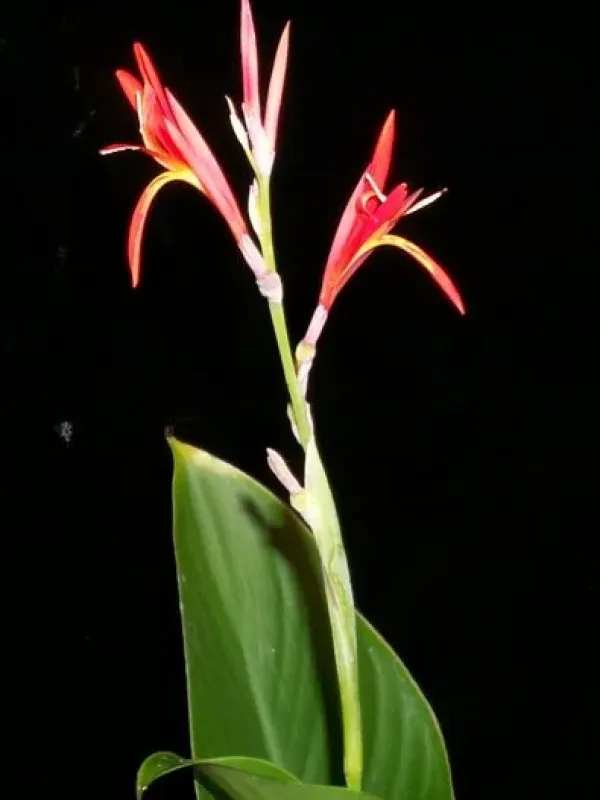
Description
Sowing dates
The sowing of Canna coccinea seeds is typically performed in late winter or early spring. Because the seeds possess a very hard seed coat, scarification is required to facilitate water absorption and ensure a successful germination process.
Seeds should be planted in a well-draining, nutrient-rich potting medium, such as a mix of peat and sand. Maintaining a temperature range between 22 and 25 degrees Celsius is crucial to stimulate consistent growth in the early stages.
Once seedlings have developed several true leaves, they should be transplanted into individual pots. This spacing allows for proper root development and ensures the plant remains healthy before the final move to the outdoor garden beds.
Outplanting in the garden must only occur after the risk of frost has completely passed. Canna coccinea is highly sensitive to cold soil temperatures; therefore, waiting for the soil to warm sufficiently is essential for plant establishment.
Vegetative propagation via rhizome division is the standard commercial practice. Each division should contain at least one or two strong apical buds, and the cut surfaces should be treated with charcoal to prevent moisture-related decay.
Growing requirements
Canna coccinea, a member of the Cannaceae family, thrives in full sun exposure. Originating from tropical American regions, it requires high levels of light intensity to maintain its characteristic vibrant color and structural integrity.
The soil requirements involve high organic content and excellent drainage. A neutral pH level ranging from 6.0 to 7.0 is ideal for optimizing nutrient uptake, which supports the plant's rapid growth cycle during the summer months.
Water management is a key aspect of agrotechnology for this species. As a plant that originates from moist environments, it needs consistent irrigation; however, waterlogging must be avoided to prevent root rot in heavier soil types.
Climatic conditions dictate the lifecycle of the plant in temperate zones. As the plant is not frost-hardy, rhizomes must be lifted from the ground in autumn, cleaned, and stored in cool, dry conditions to survive the winter season.
Regular fertilization is necessary to support the biomass production of the foliage and the blooming of the inflorescences. Balanced NPK fertilizers applied at regular intervals during the peak growing season ensure continuous health.
Main diseases and pests
Bacterial diseases, particularly bacteriosis, pose a major threat to Canna coccinea, especially during humid periods. Infected plants show darkened, necrotic lesions on the leaves, which often lead to premature plant senescence.
Lepidopteran pests, such as the Canna leaf roller, are significant threats. These insects feed on the leaves, spinning them together with silk, which not only looks unsightly but also severely impairs the plant's photosynthetic capacity.
Aphid infestations may occur, targeting the succulent young growth. These sap-sucking insects should be controlled early with appropriate horticultural oils or systemic insecticides to prevent the transmission of viral diseases.
Gastropods like slugs and snails are highly destructive to young foliage. Implementing physical barriers or applying molluscicides around the base of the plants is a common preventative measure in wetter climates.
Root rot caused by fungal pathogens such as Fusarium or Pythium often results from improper rhizome storage. Proper ventilation and moisture control during the dormant phase are essential to maintain the quality of the planting material.