
Canna glauca
Canna glauca
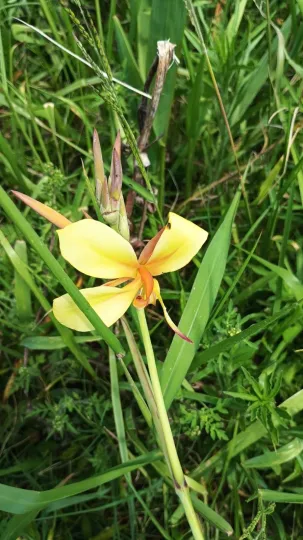
Description
Sowing dates
Planting of Canna glauca usually takes place in late spring, once the soil and water temperatures have sufficiently risen to support active growth.
The most common method of propagation is the division of rhizomes, which is done during the dormant period or just as growth begins to resume.
For aquatic settings, rhizomes are planted into containers filled with rich substrate and then submerged at an appropriate depth in the water feature.
Seed propagation is also possible; however, seeds possess a thick, water-impermeable coat that requires mechanical scarification to ensure germination.
Indoor sowing can be initiated several weeks before the last frost date to ensure the plants are robust enough for outdoor transplantation.
Growing requirements
Canna glauca is a member of the Cannaceae family, distinguished by its blue-green foliage and tolerance for saturated growing conditions.
This species thrives in full sun exposure, which is necessary for the development of its characteristic flowers and healthy leaf structure.
The ideal growing medium is nutrient-rich, organic-heavy soil, often found in marshy areas or along the banks of natural water bodies.
Water availability is a primary requirement, as this plant is essentially semi-aquatic and suffers significantly if the substrate dries out.
The climate must be frost-free; in colder regions, the plant requires winter protection or the rhizomes must be lifted and stored indoors.
Main diseases and pests
Aphids are frequent pests that congregate on the tender tips and developing buds, potentially stunting the growth of the plant.
Leaf rollers and other caterpillars can cause significant cosmetic and physiological damage by feeding on the large, broad leaves.
Bacterial blight is a major pathological concern, manifesting as dark, water-soaked spots that can eventually lead to tissue necrosis.
Fungal infections, including rust, can occur if humidity levels are high and there is poor airflow around the foliage canopy.
Root-knot nematodes are problematic soil-borne pests that affect the health of the rhizomes, leading to weak overall plant performance.
Harvesting
The harvest of rhizomes is performed in the autumn season, typically after the first light frosts have signaled the end of the vegetative cycle.
After cutting back the foliage to a few centimeters, the rhizomes are carefully lifted from the substrate, ensuring that the root system remains intact.
Drying the rhizomes in a well-ventilated, shaded area is essential to prevent the accumulation of excess moisture that might trigger rotting.
Winter storage involves placing the rhizomes in crates layered with moist sand or peat, kept in a cool and frost-free environment.
Maintaining a stable storage temperature is critical to ensure that the rhizomes remain viable until they are ready to be planted in the following spring.