
Campylocentrum filiforme
Campylocentrum filiforme
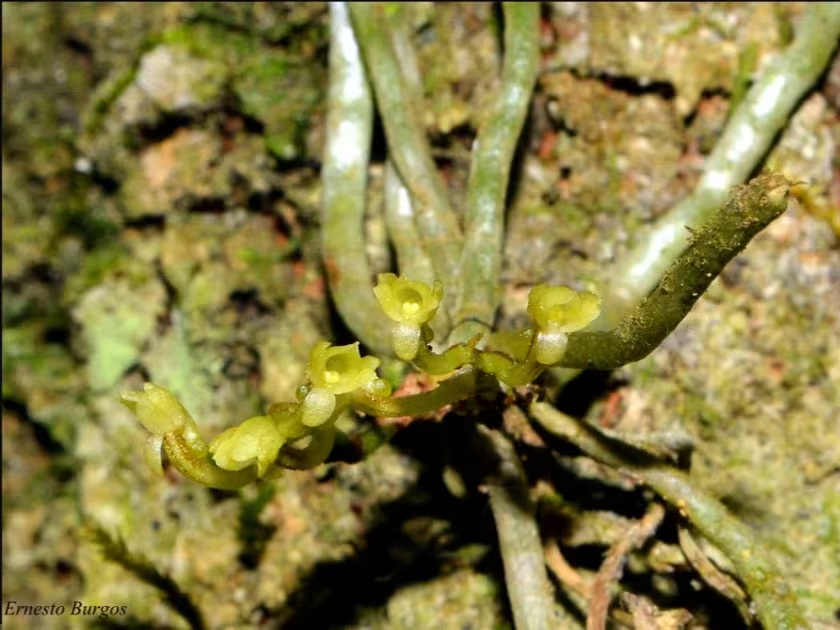
Description
Growing requirements
Campylocentrum filiforme is a fascinating species belonging to the family Orchidaceae. As a member of this diverse family, it exhibits a highly specialized epiphytic habit, typically growing on the branches and trunks of host trees in tropical forests.
The origin of this species traces back to the tropical regions of the Americas. Its natural range is characterized by high humidity levels and constant rainfall, which the plant utilizes to sustain its physiological processes throughout the year.
The botanical structure of this orchid is remarkable for its extreme reduction of foliage. Instead of broad leaves, the plant relies on a network of thin, green aerial roots that contain chlorophyll and carry out photosynthesis directly, acting as the plant's primary energy-producing organs.
To cultivate Campylocentrum filiforme successfully, one must replicate the conditions of a tropical canopy. This includes high atmospheric humidity, efficient air circulation to prevent stagnant water, and bright, indirect light that ensures steady vegetative development.
The preferred method of growth involves mounting the plant on bark slabs or using specialized baskets. This allows the root system to breathe freely and mimics the natural epiphytic lifestyle of the species in the wild, preventing the root rot associated with heavy potting media.
Main diseases and pests
Pathogenic threats for this orchid primarily include fungal and bacterial infections triggered by excessive moisture coupled with poor ventilation. Maintaining a dry-out period for the roots after watering is a crucial preventive measure to ensure the plant's long-term health.
Common orchid pests such as scale insects and spider mites can occasionally affect the plant. Monitoring for early signs of infestation and maintaining optimal growing conditions are the best defenses against these pests in an artificial environment.