
Calopogon tuberosus
Calopogon tuberosus
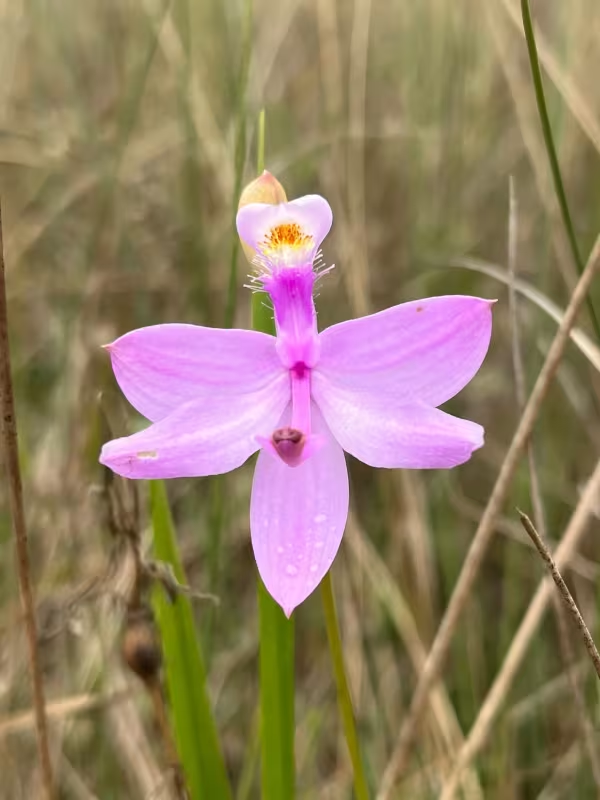
Description
Growing requirements
Calopogon tuberosus, commonly known as the grass pink orchid, is a perennial herbaceous species belonging to the Orchidaceae family. It is native to North America, primarily inhabiting nutrient-poor wetlands, bogs, and moist meadows where it thrives under high light conditions.
The plant features a distinct corm-like tuber that serves as a storage organ during dormancy. From this tuber, a single, grass-like leaf typically emerges, followed by an elegant inflorescence stalk that can reach heights of up to 80 centimeters.
The flowers are notably unique due to their non-resupinate structure, meaning the lip is positioned at the top of the flower. This evolutionary trait is specifically adapted for landing and pollination by various bees, which are attracted to the vivid pink-purple colors and fragrance.
To successfully cultivate this species, one must mimic its boggy environment. The growth medium must be highly acidic and consist of a mix of peat moss, perlite, and sand to ensure adequate moisture retention without causing stagnation.
Water quality is paramount when cultivating this orchid. Growers must use only rainwater, distilled water, or reverse osmosis water, as municipal tap water often contains minerals and chlorine that are toxic to the sensitive root systems of Calopogon species.
Main diseases and pests
In a controlled environment, Calopogon tuberosus is primarily susceptible to root and crown rot, typically caused by improper watering techniques or poor drainage. Excessively soggy soil combined with lack of airflow creates a breeding ground for pathogenic fungi.
Aphids and spider mites are the most common insect pests that plague this species. These pests tend to colonize the developing flower buds and the underside of the leaves, drawing out cell sap and reducing the plant's overall vigor.
Managing pests involves regular manual inspection and the application of appropriate biological controls or insecticidal soaps. Preventive measures such as increasing humidity and maintaining proper air circulation are highly effective.
Slugs and snails pose a severe threat in outdoor settings, as they can devour emerging shoots overnight. Using physical barriers or bait traps is standard practice for protection during the active growing season.
During the winter dormancy period, the plants must be kept cool but not dry. Failure to manage the dormant state properly often leads to tuber desiccation or susceptibility to secondary infections, which can result in the loss of the specimen.