
Pale grass pink
Calopogon pallidus
Description
Growing requirements
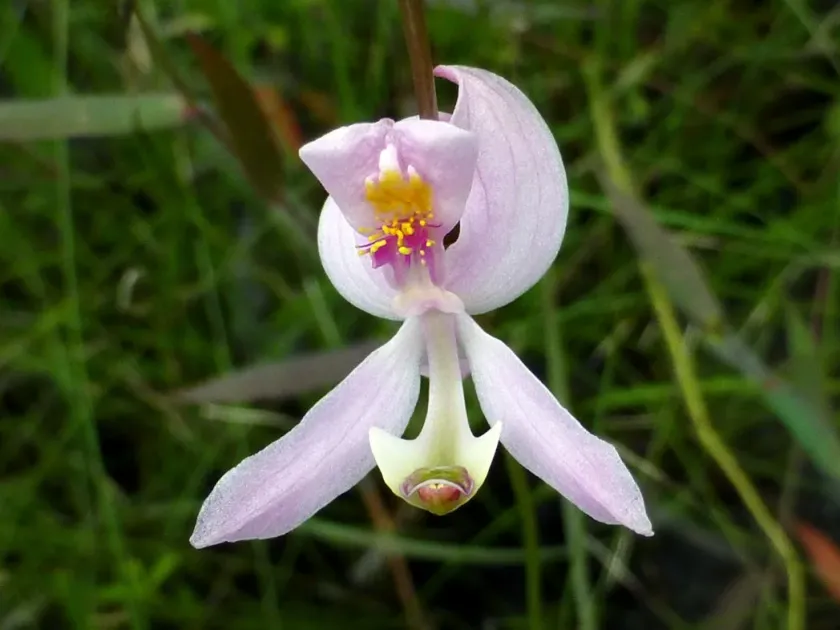
Pale grass pink (Calopogon pallidus) is a perennial herbaceous plant belonging to the Orchidaceae family. It is native to the southeastern United States, where it thrives in wet prairies, pine flatwoods, and boggy areas.
This species requires specific environmental conditions to prosper, particularly acidic, moisture-retentive, and well-drained soils composed of peat or sand mixtures that mimic its natural habitat.
Light requirements are significant for this plant, as it naturally occupies open, sunny spaces. Adequate solar exposure is essential for the development of its characteristic pink, terminal flowers.
In terms of agricultural or horticultural management, the plant demands consistent moisture and cannot tolerate extended periods of drought, which makes irrigation control a primary task for cultivators.
The economic and practical use of Calopogon pallidus is strictly limited to the ornamental sector. It is prized by orchid enthusiasts and botanical gardens for its unique aesthetic value and specialized ecological needs.
Main diseases and pests
Primary threats to the health of the plant include fungal pathogens, such as root and crown rot, which typically arise when the cultivation environment lacks proper aeration or features poor drainage.
Pests such as aphids and various lepidopteran larvae may infest the plant, potentially damaging the delicate flower spikes and foliage, requiring careful observation during the growth cycle.