
Calopogon multiflorus
Calopogon multiflorus
Description
Growing requirements
Calopogon multiflorus, commonly known as the many-flowered grass pink, is a terrestrial orchid species within the Orchidaceae family. It is distinct from common epiphytic orchids, as it grows directly in the soil and relies on specific underground structures for development.
The native distribution of this plant is centered in the southeastern United States, primarily in Florida. It is typically found in pine flatwoods and wet prairies that undergo seasonal moisture cycles and frequent natural or prescribed fires.
Successful cultivation of this species requires a highly specific acidic substrate that mimics its natural habitat. Good drainage is essential, as the plant cannot tolerate stagnant water, despite needing a consistently moist root environment for survival.
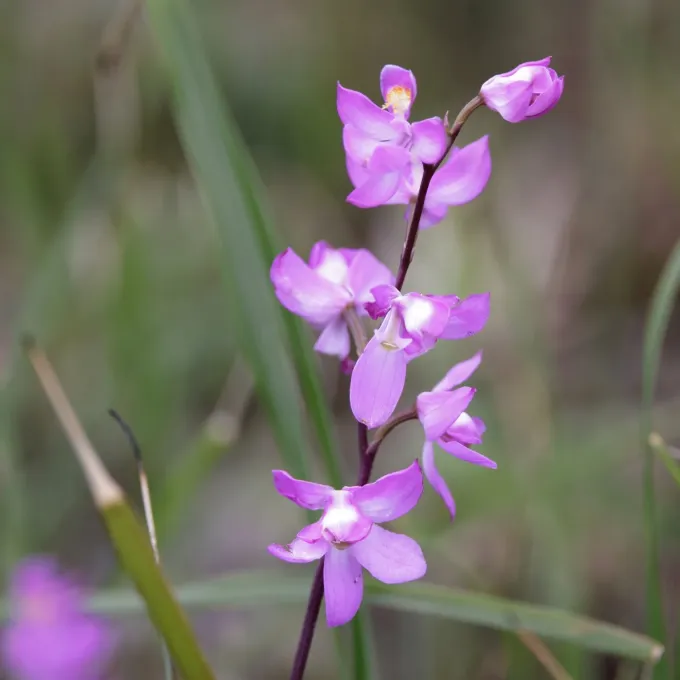
Botanically, the plant features narrow, grass-like leaves and an upright inflorescence that bears several pink-to-magenta flowers. The root system includes a small corm, which acts as a storage organ during periods of dormancy or environmental stress.
Economically and horticulturally, Calopogon multiflorus is primarily utilized in specialized native plant nurseries and ecological restoration projects rather than commercial mass production, given its complex biological requirements.
Main diseases and pests
The primary threat to the longevity of Calopogon multiflorus populations is the fragmentation and loss of its natural wetland prairie habitats due to urban development and agricultural land conversion.
In cultivation, the species is highly susceptible to root and corm rot when substrate aeration is insufficient. Pathogenic fungi often thrive in waterlogged conditions, leading to rapid plant mortality.
Invertebrate pests, particularly slugs and snails, represent a major threat to the delicate new growth and emerging flower stalks, often requiring integrated pest management strategies in greenhouse settings.
The absence of natural fire regimes leads to woody shrub encroachment, which shades out the plant and eventually leads to its local extinction in neglected habitat sites.
Competitive stress from invasive exotic grasses and broadleaf weeds can suppress the growth of Calopogon multiflorus by limiting its access to essential soil nutrients and sunlight.