
Calopogon barbatus
Calopogon barbatus
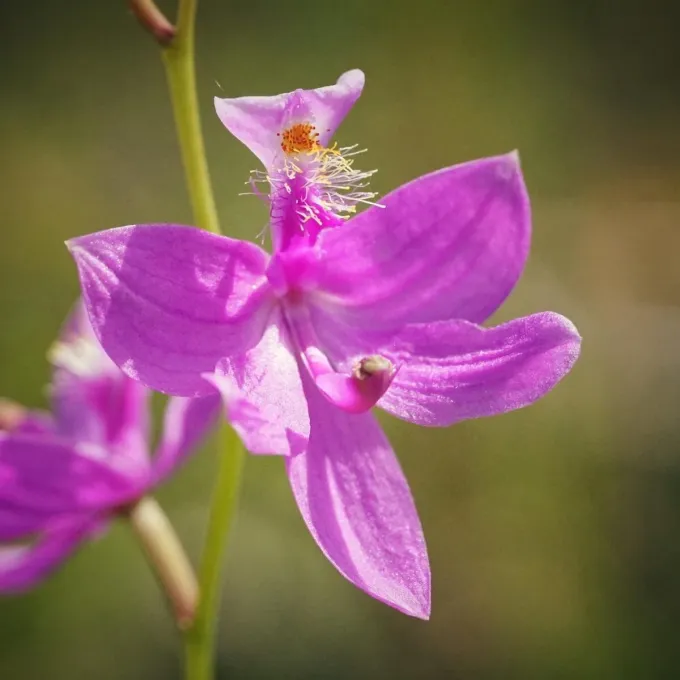
Description
Growing requirements
Calopogon barbatus, commonly known as the bearded grass pink, is a perennial herbaceous plant belonging to the Orchidaceae family. It is native to the southeastern United States, primarily found in wetlands, pine flatwoods, and acidic savannas where soil conditions remain consistently moist.
Botanically, the plant is distinguished by its small corms that store nutrients for the growing season. The foliage is typically grass-like, featuring narrow leaves that emerge from the base, which allows the plant to adapt to open, sunny environments where it competes with other low-lying herbaceous vegetation.
The cultivation of this species requires strict adherence to soil moisture and acidity levels. Ideal growing conditions include a substrate composed of acidic peat and sand, ensuring that the roots remain hydrated while maintaining adequate airflow to prevent suffocating the plant's delicate tissues.
Climatic requirements involve a clear seasonal transition to allow the plant to enter its mandatory dormancy phase. Calopogon barbatus thrives in regions with warm, wet summers and cooler periods, mimicking the natural hydrology of its native southeastern habitats.
The economic and practical use of this plant is primarily focused on conservation and specialized ornamental horticulture. Due to its unique floral structure—characterized by a vibrant, bearded lip used to attract pollinators—it is a highly sought-after species for botanical research and private collections.
Main diseases and pests
The primary threats to Calopogon barbatus include root pathogens, which are often exacerbated by poor drainage and water stagnation. Maintaining the correct balance between moisture and drainage is essential to protect the corm from rotting.
Pests such as aphids and spider mites can frequently infest the flower stalks during the peak growth season. Integrated pest management strategies, focusing on biological controls and manual removal, are preferred to maintain the health of the plants.
Soil chemistry imbalances, particularly a shift in pH towards alkalinity, can inhibit the mycorrhizal associations necessary for the orchid's survival. Regular testing and the use of specialized acidic fertilizers are necessary for sustaining plant vigor.
Herbivory by slugs and snails is a significant challenge during the initial stages of vegetative growth. Protective measures, including physical barriers or selective trapping, are standard practices in successful managed environments.
Viral pathogens pose a long-term threat as they can easily spread through contaminated equipment. Strict sanitation protocols during the handling of the plants are vital for preventing the transmission of diseases within a collection or field plot.