
Cypress
Callitropsis
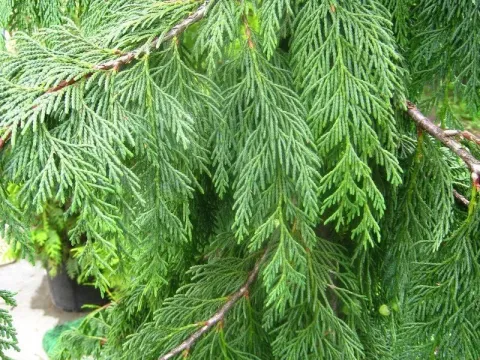
Cypress (Callitropsis) is a prominent genus of evergreen coniferous trees belonging to the Cupressaceae family. Known for its symmetrical growth and fine, scale-like foliage, it is a staple in high-end ornamental gardening.
What the section contains

Cypress
Native to North America and East Asia, these trees thrive in temperate climates with well-defined seasons. They are particularly suited for landscaping projects where a structured, evergreen silhouette is required year-round.
Cultivation requires fertile, well-draining soil with a slightly acidic to neutral pH. They are sensitive to waterlogged conditions, making high-quality drainage systems essential for plants grown in heavy or clay-based soils.
While they appreciate full sunlight, protection from harsh, drying winds is necessary to prevent foliage burn. Young trees benefit from semi-shaded areas until they are well-established in the landscape.
Maintenance involves deep watering during drought conditions and keeping the root zone mulched. Proper air circulation around the crown is vital to ensure long-term health and prevent physiological disorders.
Phytophthora root rot is one of the most severe threats to this species, often caused by poor drainage or excessive soil moisture. Once established, this pathogen is difficult to eradicate, emphasizing the need for prevention.
Spider mites and scale insects are common pests that target the needles, causing them to turn yellow or brown. Regular inspection and the use of targeted acaricides are the recommended control strategies.
Fungal diseases like twig blight can occur if the foliage remains wet for extended periods in humid conditions. Pruning infected branches back to healthy tissue helps contain the spread of the infection.
Environmental stress, such as extreme heat or nutritional deficiencies, can weaken the tree's immune system. Maintaining a balanced nutrient program ensures the plant remains resistant to minor pest pressures.
Cultural control, including avoiding overhead irrigation in the late evening, reduces the duration of leaf wetness and significantly lowers the risk of fungal proliferation.