
Brassavola tuberculata
Brassavola tuberculata
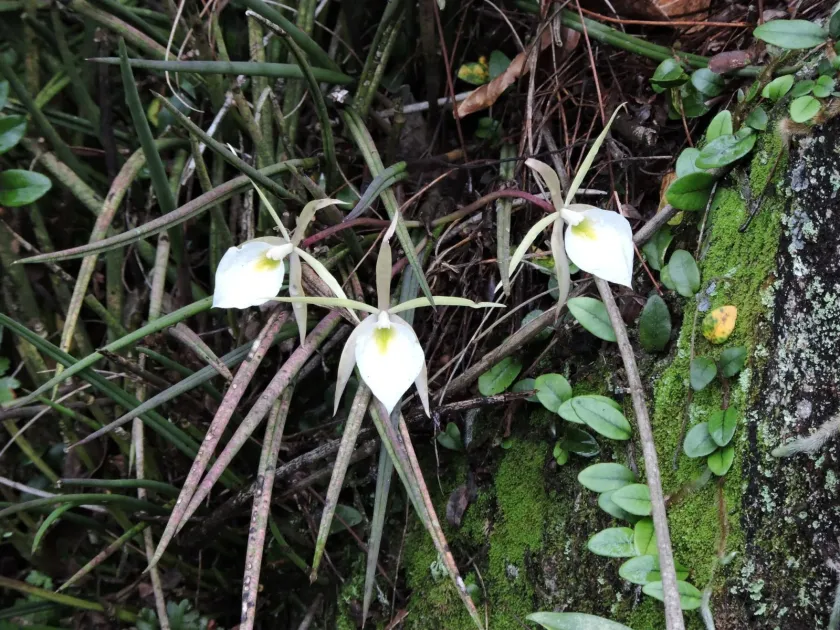
Description
Growing requirements
Brassavola tuberculata is a fragrant epiphytic orchid species belonging to the Orchidaceae family. It is native to the tropical forests of South America, specifically common in regions of Brazil, Paraguay, and Argentina.
In cultivation, this plant thrives under bright, filtered light conditions. While it appreciates high light intensity, it must be protected from intense midday sun, which can cause leaf scorch and dehydration of its succulent foliage.
The ideal temperature range is between 22°C and 28°C during the day. A distinct drop in temperature at night is essential for this species to maintain its metabolic balance and trigger the production of new blooms.
The root system requires excellent drainage and air circulation. Mounting the plant on cork bark or using a coarse bark-based mix in perforated orchid pots is highly recommended to ensure roots dry out appropriately between waterings.
Consistent humidity is crucial for the healthy growth of Brassavola tuberculata. It thrives in high-humidity environments and benefits from regular misting or the use of an automated humidifier to mimic its native tropical habitat.
Main diseases and pests
The primary pests affecting Brassavola tuberculata include scale insects and mealybugs. These sap-sucking pests often congregate at the base of the leaves and on the pseudobulbs, draining nutrients from the plant.
Root rot remains the most significant threat to the survival of the orchid, typically caused by overwatering or using a substrate that lacks proper aeration and drainage, leading to oxygen deprivation in the root zone.
Spider mites can become a nuisance in indoor environments with low humidity levels. They feed on the underside of leaves, causing a stippled appearance and eventually leading to significant leaf drop if left untreated.
Fungal leaf spot diseases can emerge if the foliage remains wet for extended periods in stagnant air. Ensuring good air movement around the leaves is a primary defense against these opportunistic infections.
Integrated pest management, including regular inspection and the use of horticultural oils or systemic insecticides, is necessary to keep the plant in optimal health and prevent the spread of infestations within a collection.