
Brassavola martiana
Brassavola martiana
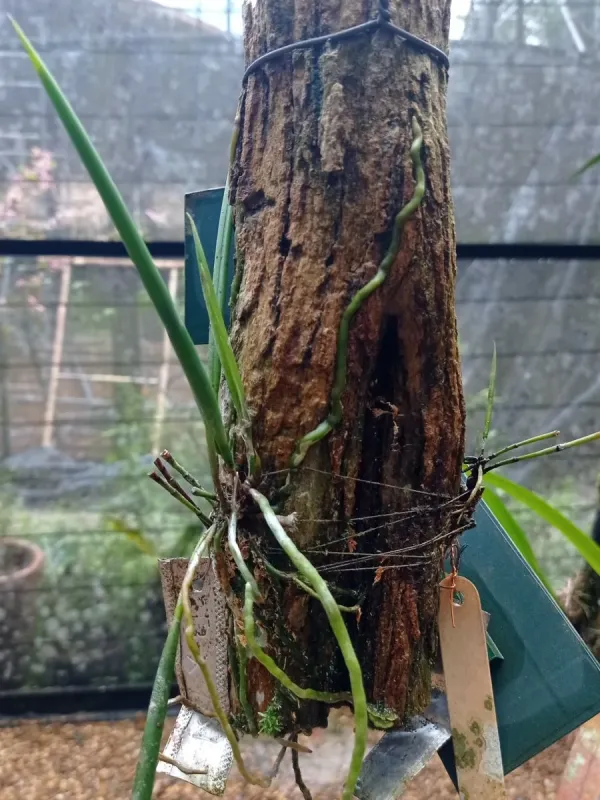
Description
Growing requirements
Brassavola martiana is an epiphytic orchid species belonging to the Orchidaceae family. Native to the tropical rainforests of South America, this plant is well-adapted to high humidity and the filtered light conditions found in the forest canopy.
Botanically, this species is defined by its sympodial growth habit and distinct terete or semi-terete leaves that emerge from small, compact pseudobulbs. This structural adaptation allows the plant to thrive in an environment where water is obtained primarily through atmospheric moisture.
The climate requirements for successful cultivation include a warm temperature range between 20°C and 28°C. Providing a diurnal temperature variation, where nights are cooler than days, is essential to mimic natural conditions and encourage the orchid to produce flowers.
Regarding soil and media, this orchid requires excellent drainage. It should be potted in coarse bark, charcoal, or mounted on a slab of cork or wood. A medium that allows air to circulate around the roots is vital to prevent root rot in this epiphytic species.
Proper hydration is achieved through regular watering, allowing the media to dry out between applications. During active growth, the plant benefits from a balanced, diluted fertilizer applied once or twice a month to support the development of new pseudobulbs.
Main diseases and pests
The primary threats to Brassavola martiana involve fungal infections triggered by stagnant water and poor airflow. Overwatering is the most common cause of morbidity, leading to decay of the root system and base of the pseudobulbs.
Common pests include spider mites, which thrive in low-humidity environments. They can be identified by the fine webbing they create and the subsequent loss of green color in the leaves, which hinders the plant's ability to produce energy.
Scale insects and mealybugs are also persistent threats that lodge in the leaf axils or under the bracts of the pseudobulbs. These pests suck the sap of the plant, often leading to secondary infections if left untreated for an extended period.
Preventative measures are essential, including maintaining proper hygiene around the growing space and ensuring consistent airflow. Good ventilation is a primary defense against the proliferation of fungi and insects in orchid collections.
When chemical treatment becomes necessary, it is critical to use products labeled as safe for orchids. Many orchid species have sensitive root systems, so applying insecticides at lower concentrations than those used for general garden plants is highly recommended.