
Brassavola filifolia
Brassavola filifolia
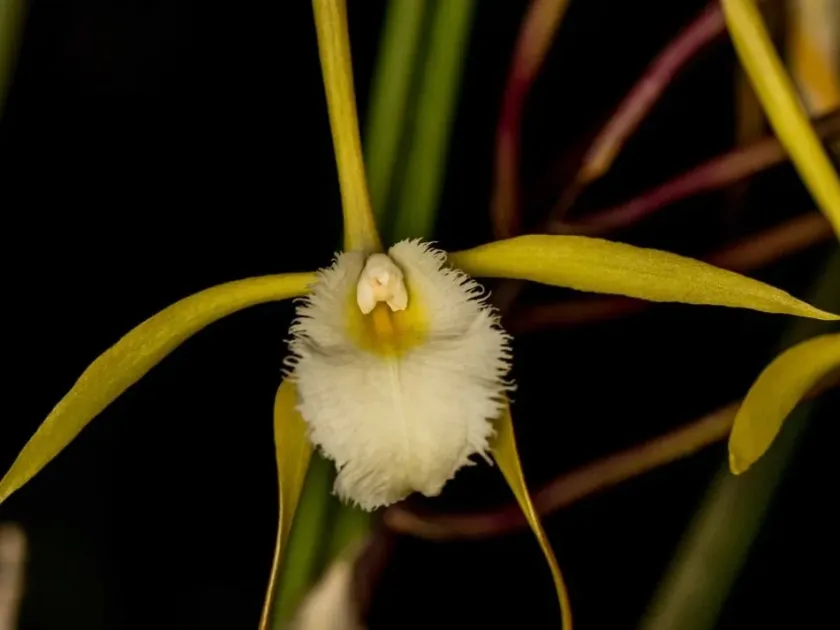
Description
Growing requirements
Brassavola filifolia is an exquisite epiphytic orchid species belonging to the Orchidaceae family. Originally native to the tropical regions of South America, this plant is well-adapted to high-humidity environments and is typically found growing on tree branches in its natural habitat.
Botanically, Brassavola filifolia is distinguished by its unique, extremely thin, thread-like leaves. This adaptation allows the orchid to effectively manage moisture levels and survive in the diverse microclimates of the forest canopy, where rainfall is frequent but quick to drain.
When cultivating this species, high light intensity is crucial. While it prefers bright, diffused light, care must be taken to avoid scorching the delicate foliage during the peak of summer. A temperature drop at night is essential to simulate the natural environment and trigger flowering.
Regarding cultivation medium, this plant strictly requires an epiphytic setup. Mounting it on natural cork or hardwood blocks is the best method to ensure maximum airflow to the root system, which is vital for preventing the plant from suffocating in stagnant conditions.
Humidity and watering are the pillars of success. The plant should be kept in an environment with 60–80% humidity. Watering should be frequent enough to keep the roots hydrated but allow them to dry out completely between sessions to maintain a healthy root system.
Main diseases and pests
The primary threats to Brassavola filifolia involve improper watering habits. Chronic overwatering, especially in cooler conditions, inevitably leads to root rot, which is the most common cause of plant failure among enthusiasts and professional growers alike.
Pests such as scale insects and mealybugs can pose a serious threat to the vitality of the plant. These pests feed on the sap and hide in the leaf junctions, making them difficult to detect until the plant starts to show signs of yellowing or stunted growth.
Spider mites can become an issue if the ambient humidity drops below recommended levels. Providing good ventilation and occasionally misting the leaves can significantly reduce the risk of infestation, keeping the foliage clean and healthy throughout the year.
Fungal infections, often characterized by unsightly spots on the leaves, usually indicate a lack of proper air circulation. Ensuring that there is always a gentle breeze around the orchid is the most effective preventative measure against these pathogens.
Lastly, caution should be exercised with fertilizers. Using high-concentration mineral salts can cause tip burn on the thin, filiform leaves. It is recommended to use weak, balanced liquid orchid fertilizers during the active growing season to support development without stressing the plant.