
Brassavola cucullata
Brassavola cucullata
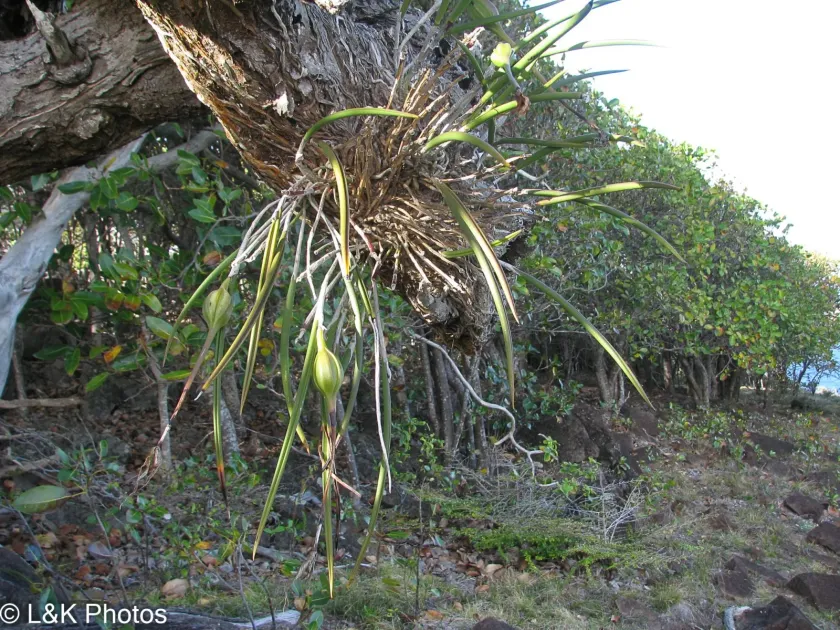
Description
Growing requirements
Brassavola cucullata is an epiphytic orchid species belonging to the Orchidaceae family. Native to tropical regions of Central and South America, it grows naturally on tree trunks, often under a partial canopy, which dictates its specific light requirements.
The plant is distinguished by its thin, terete leaves and long, spidery flowers with narrow petals. These flowers are highly fragrant, specifically releasing a potent scent at night to attract specific pollinators in its native habitat.
To cultivate this orchid successfully, provide bright, filtered light. While it enjoys intensity, direct mid-day sun should be avoided to prevent leaf scorch. A balance of light is crucial for the development of healthy pseudobulbs and future flowering cycles.
High humidity levels of 60 to 80 percent are ideal. In home environments, grouping plants together or using a dedicated humidity tray can help replicate the natural tropical environment required for the plant to thrive without leaf tip necrosis.
Potting media should be very porous. Use a standard orchid mix containing coarse pine bark, perlite, and charcoal to ensure excellent aeration for the root system. Proper drainage is non-negotiable, as the roots are sensitive to waterlogging and rot.
Main diseases and pests
The primary threat to Brassavola cucullata is root rot caused by improper watering techniques. Keeping the substrate constantly saturated prevents the roots from breathing, leading to rapid decay of the entire root system and eventual death.
Spider mites are a common pest, particularly in dry indoor environments. These tiny arachnids thrive in low humidity and can cause significant damage to the leaves by piercing plant tissue and sucking out vital nutrients, resulting in stippling and discolouration.
Mealybugs are another persistent threat. These insects hide in the tight spaces between leaf bases and the root zone, secreting a white, waxy substance. Regular inspection of the plant's tight crevices is necessary to catch infestations early before they spread.
Scale insects can also infest this orchid. They appear as small, hard, brownish bumps on the surface of the leaves and stems. These pests are protected by a waxy shield, making them difficult to control without physical removal followed by appropriate systemic treatments.
General maintenance includes ensuring constant airflow around the plant, which significantly reduces the risk of fungal and bacterial infections. If a pest or disease outbreak occurs, isolate the plant immediately and apply targeted treatments to prevent contamination of other specimens.