
Boscia mossambicensis
Boscia mossambicensis
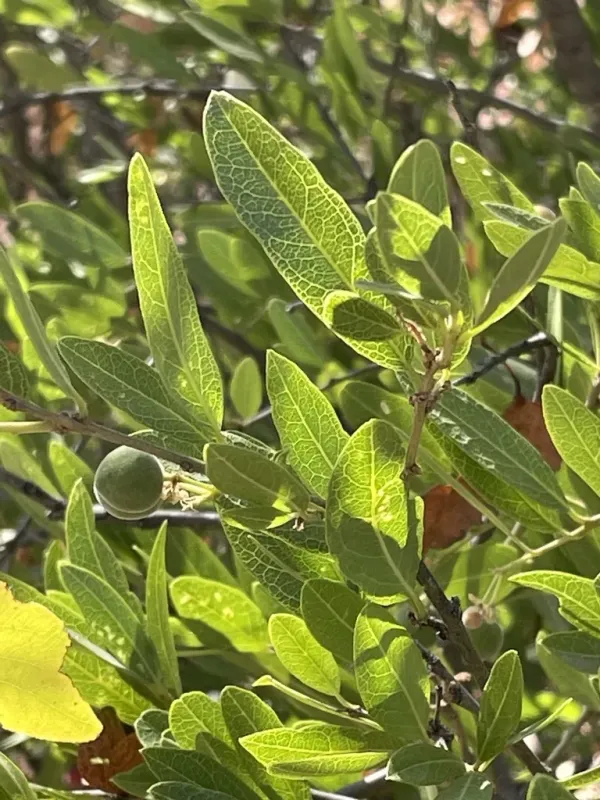
Description
Growing requirements
Boscia mossambicensis is a woody plant belonging to the Capparaceae family. Native to the tropical and subtropical regions of Eastern Africa, it is well-adapted to the challenging environments of the African savanna and scrublands.
This species is highly drought-tolerant, exhibiting xerophytic characteristics that allow it to thrive in regions where rainfall is erratic and seasonal. It is a vital component of arid ecosystems, maintaining green cover when many other plants perish.
The plant grows well on various soil types but shows a preference for well-drained sandy or rocky soils. It is capable of flourishing in low-fertility substrates that characterize much of its native habitat, making it a robust option for reforestation.
Being a light-demanding species, Boscia mossambicensis requires full sun exposure to reach its maximum growth potential. Shaded environments can significantly hinder its development, particularly during the juvenile stage.
The climate requirements include stable high temperatures with no frost. The tree's physiology is tuned to the heat of the tropics, making it sensitive to cold snaps and requiring warm conditions for active growth.
Yield
The primary economic importance of Boscia mossambicensis lies in its role as fodder. The foliage provides essential nutritional support for wild herbivores, and it serves as a critical feed source for livestock in rural areas during dry seasons.
The fruits of the tree are edible and harvested by local communities. While they do not constitute a major commercial export, they provide a valuable nutritional supplement and food security during periods of scarcity.
Medicinal applications of the bark and roots are documented in various traditional practices across Eastern Africa. The plant contains secondary metabolites that are studied for their potential health-promoting properties.
The timber of Boscia is noted for its density and durability. Local craftsmen frequently use it for creating small tools, handles, and basic building materials, reflecting the tree's versatility in everyday life.
Productivity levels are steady despite the harsh climatic conditions. By providing both fodder and raw materials, this species supports sustainable land management in arid zones where biomass production is typically challenging.
Main diseases and pests
The plant faces pressure from various insect species that feed on its leaves and shoots. Severe infestations can limit the tree's photosynthetic capacity, especially in young saplings struggling to establish themselves.
Fungal pathogens represent a significant risk, particularly if the plant is grown in areas with poor drainage or stagnant water. Root rot is a common issue when the soil moisture exceeds the plant's tolerance levels.
Herbivory by larger animals is a common physical threat. Elephants and other browsers can cause structural damage to the bark and branches, which can lead to stunted growth or mortality if the damage is excessive.
Effective management requires careful site selection and regular monitoring of plant health. In agricultural settings, ensuring good soil aeration is the primary preventive measure against disease outbreaks.
While chemical pest control is generally not practiced for this species due to its wide distribution, selective pruning and maintaining healthy soil conditions remain the most sustainable strategies for managing threats.