
Boscia integrifolia
Boscia integrifolia
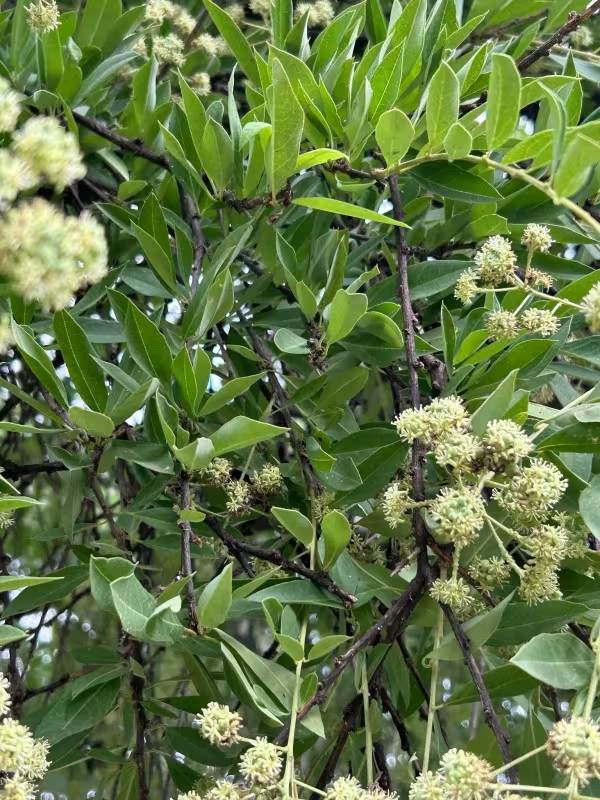
Description
Growing requirements
Boscia integrifolia is a perennial plant belonging to the Capparaceae family, recognized for its remarkable resilience in arid environments. Native to dry regions of Africa, this species has evolved physiological mechanisms to survive in harsh conditions with limited water availability.
The plant typically thrives in well-drained, sandy, or rocky soils, which are characteristic of its native savanna and semi-desert habitats. It is highly intolerant of waterlogged soils, as excessive moisture can quickly lead to root decay and overall plant failure.
Climate requirements for successful growth include consistent high temperatures and direct solar radiation. The plant is adapted to extreme heat and prolonged dry spells, maintaining its vegetative structure throughout periods that would be lethal to more sensitive crop species.
Agrotechnical practices for Boscia integrifolia focus on minimal intervention, as it is a slow-growing species. Proper site selection, ensuring excellent soil drainage, is the most critical factor for establishing a healthy population of this plant in an agricultural context.
Economically, this plant serves as a vital forage source for livestock, particularly during the dry seasons when fodder scarcity is high. The leaves remain palatable and nutrient-dense, providing necessary sustenance for herds in regions where other crops cannot survive.
Main diseases and pests
The primary threats to Boscia integrifolia are related to environmental factors, specifically those that increase soil moisture beyond the plant's tolerance levels. Root rot pathogens are a major concern, often triggered by improper irrigation or soil management.
Insect pests, including various caterpillars and leaf-eating beetles, can cause significant defoliation, which hampers the plant's photosynthetic capacity. While the plant has some natural defenses, high pest pressure during vegetative flushes can affect overall biomass production.
Anthropogenic pressure, specifically overgrazing and excessive harvesting of branches, is a major threat to the long-term viability of the plant. Without appropriate management and rest periods, the plants lose their vigor and become susceptible to secondary infections.
Disease management should emphasize cultural practices over chemical interventions. Ensuring adequate spacing between plants and maintaining soil aeration are effective strategies for reducing the incidence of fungal and bacterial infections.
Monitoring for signs of pest damage is recommended during the peak growing season to ensure that plants remain productive and healthy. Integrated pest management strategies that protect natural predators are encouraged to maintain ecological balance.