
Boscia albitrunca
Boscia albitrunca
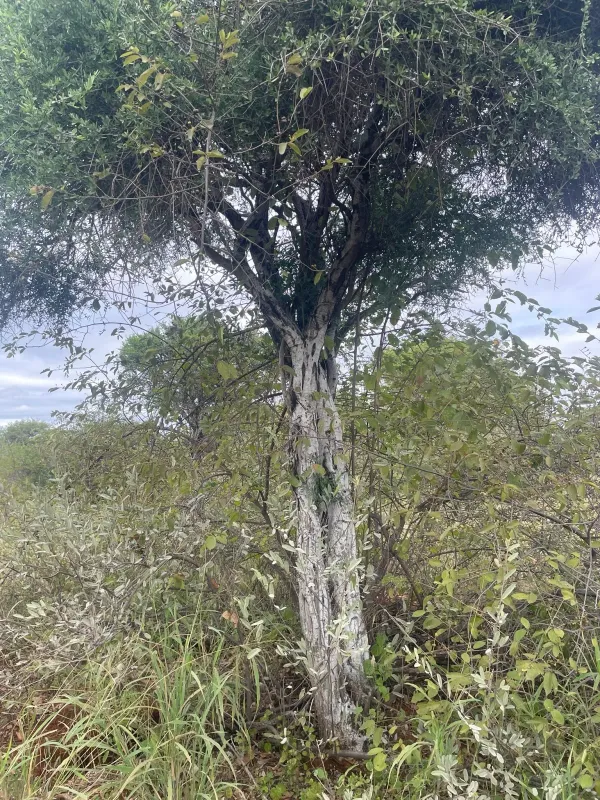
Description
Sowing dates
Propagation of Boscia albitrunca is primarily achieved through seeds, although natural germination in the wild is notoriously slow and unreliable. The seeds have a relatively short viability period.
For successful cultivation, seeds should be sown immediately after harvesting. Removing the fleshy pulp is essential to prevent fungal growth during the germination stage.
The ideal sowing medium is a light, well-draining sandy mix. Seeds should be planted at a depth of about 1 to 2 centimeters to ensure proper stabilization during the early development of the radicle.
Nursery conditions require a balance of warmth and protection from direct, scorching sun. Consistent moisture is necessary only during the initial sprouting phase, after which watering should be significantly reduced.
Transplanting seedlings must be done with extreme care to avoid disturbing the taproot. Using biodegradable pots is highly recommended to minimize root shock during field establishment.
Growing requirements
Boscia albitrunca, commonly known as the Shepherd's tree, is a member of the Capparaceae family. It is a highly specialized species adapted to the harsh conditions of Southern African arid environments.
The species thrives in a variety of soil types, ranging from sandy plains to rocky slopes, provided there is sufficient drainage. Waterlogging is the most common cause of failure in planted specimens.
This tree is exceptionally drought-tolerant. Its physiological adaptations allow it to survive in regions with very low annual rainfall by utilizing a deep-reaching root system to access subterranean moisture.
Full sun is required for optimal growth. While the tree can tolerate partial shade in its juvenile stage, it requires unobstructed sunlight to develop its characteristic dense, evergreen canopy.
Temperature tolerance is a hallmark of this plant. It is capable of withstanding extreme heat and is known to be relatively frost-hardy once established in its permanent location.
Yield
The primary agricultural value of Boscia albitrunca lies in its role as a vital fodder source. Its leaves and young shoots are highly nutritious, providing essential sustenance for livestock when other forage fails.
The tree is frequently referred to as the 'Tree of Life' in desert regions because it maintains green, palatable foliage even during the most severe droughts, acting as an emergency food reserve.
Beyond its value as fodder, the fruits of the Shepherd's tree are edible. They contain high concentrations of carbohydrates and have historically been used as a dietary supplement by indigenous communities.
The wood of the tree is extremely hard and durable, traditionally used for small-scale construction, implement handles, and carved items, offering secondary utility to agricultural land managers.
Management of these trees in agroforestry systems contributes to soil stabilization and provides shade, which indirectly increases the productivity of the entire farming ecosystem.
Main diseases and pests
The most significant threat to young Boscia albitrunca is herbivory. Domestic livestock and wild game can easily destroy seedlings, necessitating the use of protective enclosures until the trees reach a height beyond reach.
Root rot is the main pathological concern, usually triggered by excessive moisture or poor drainage conditions. Affected trees show stunted growth and progressive dieback of the canopy.
Insect pests, including various coleopterans, can occasionally defoliate young trees. However, these infestations are generally cyclic and rarely require chemical intervention in mature trees.
Competition from fast-growing invasive weeds can significantly hamper the slow growth rate of young seedlings. Proper site preparation and ongoing maintenance of the root zone are crucial.
Climate change poses a long-term threat to the species, particularly if erratic rainfall patterns disrupt the delicate balance required for the establishment of new saplings in the wild.