
Biarum rhopalospadix
Biarum rhopalospadix
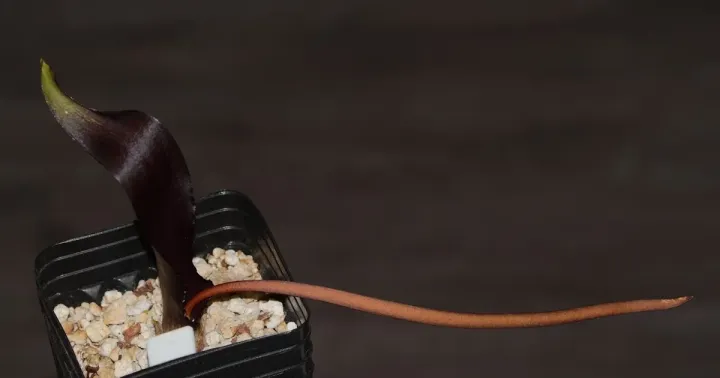
Description
Sowing dates
Biarum rhopalospadix is a unique member of the Araceae family, primarily cultivated for botanical collections rather than large-scale production. Propagation is typically achieved via tuber division during the dormant phase.
When planting, it is crucial to handle the dormant tubers with care. The optimal time for planting is during the late summer resting period, allowing the plant to acclimate before the arrival of autumn rains.
The planting depth should be approximately twice the diameter of the tuber. This provides structural stability and creates an optimal environment for the emergence of the inflorescence.
Proper spacing between tubers ensures adequate airflow and prevents moisture accumulation around the plant, which is vital for the health of the species.
The establishment period is sensitive, requiring minimal irrigation until the first signs of root activity appear, ensuring that the tuber does not succumb to premature rot.
Growing requirements
This species thrives in well-drained, gritty, or rocky soils that mimic its natural Mediterranean environment. Soil aeration is the most critical factor for successful growth.
Biarum rhopalospadix requires a sunny or light-shade position. In its natural habitat, it survives harsh, dry summers, meaning it prefers soils that do not retain excess moisture during its dormancy.
The plant performs best in neutral to slightly alkaline pH soils. If the soil is too heavy, amending it with coarse sand or limestone grit is highly recommended to ensure rapid drainage.
Temperature management is key; the plant is sensitive to freezing when combined with dampness. In regions prone to harsh winters, cultivation in pots or under shelter is required.
Seasonal moisture management is essential: provide moisture during the growing season in autumn and winter, and ensure complete dryness throughout the summer months.
Main diseases and pests
The primary threat to the health of Biarum rhopalospadix is soft rot caused by waterlogged soil. This bacterial or fungal issue can destroy a tuber rapidly if humidity remains high during the dormant phase.
Pests such as soil-dwelling larvae can damage the tuber tissue, providing entry points for secondary infections. Maintaining soil hygiene is a standard preventive measure.
Indoor or greenhouse cultivation can lead to aphid infestations on the foliage. Early detection and the use of targeted biological or chemical treatments can effectively manage these populations.
Lack of proper air circulation is another significant threat, as it fosters the development of mold on the soil surface, which can negatively impact the emerging leaves.
Successful management relies on preventive strategies, including the use of sterilized tools for division and maintaining a strictly controlled irrigation schedule to match the plant's natural cycle.