
Biarum auraniticum
Biarum auraniticum
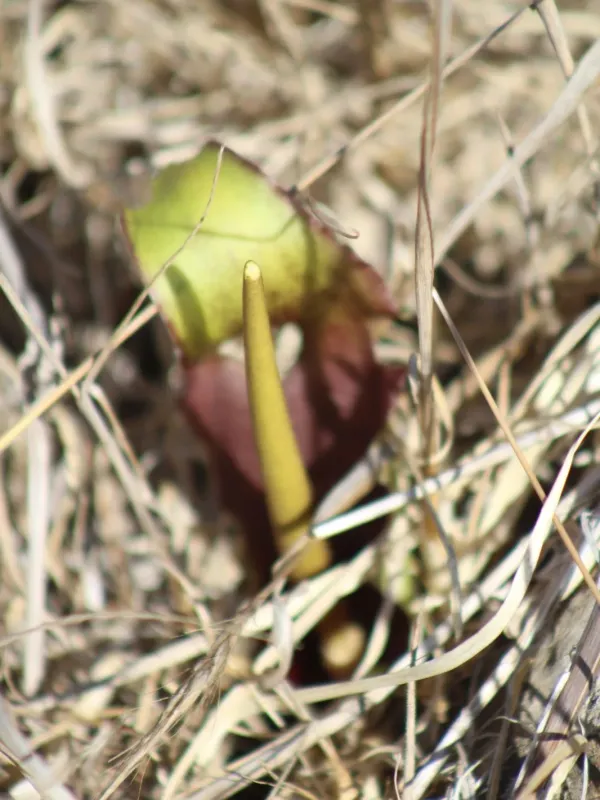
Description
Growing requirements
Biarum auraniticum is a distinct member of the Araceae family, native to the Middle East, specifically regions of Syria and Jordan. It is a geophytic perennial known for its unique phenology and specialized growth cycle adapted to arid environments.
Botanically, the plant features a tuberous rootstock and a spadix inflorescence encased in a spathe, which is a signature characteristic of the Arum family. The foliage typically emerges after the floral stage, adding to the plant's aesthetic intrigue.
Cultivation requires specialized conditions mimicking its natural habitat. The soil must be highly porous and well-draining, typically consisting of a mix of sand, grit, and volcanic rock to ensure oxygenation of the tuber.
Climatic requirements involve a significant summer dormancy period where the tuber must remain dry and warm. During the active growing phase in the cooler months, the plant benefits from moderate irrigation and bright, filtered light.
The primary use of this species is in specialized horticulture and rock gardening. It is highly valued by enthusiasts and botanic gardens for its architectural flower structure and rarity in international trade.
Main diseases and pests
The most significant threat to Biarum auraniticum is fungal infection, particularly Fusarium or soft rot, caused by excessive moisture during the summer dormant phase. Proper drainage is the essential control measure for these pathogens.
Pests that may impact the crop include aphids during the leaf development stage and subterranean pests that may consume the tubers. Integrated pest management and ensuring clean planting stock are vital for long-term survival.