
Biarum eximium
Biarum eximium
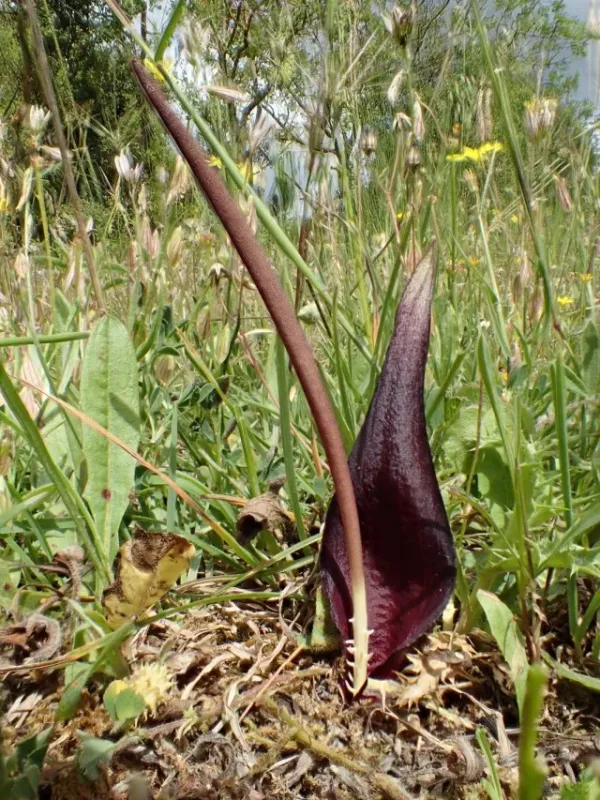
Description
Sowing dates
Planting of this species typically occurs during the dormant phase when the foliage has completely withered. In cooler climates, the best window is late summer to allow the tubers to establish before winter.
Tubers should be planted at a depth of 5 to 10 centimeters. High-quality drainage is essential, as the species is highly susceptible to rot if moisture lingers in the soil.
When cultivating in containers, use a gritty, well-draining substrate to mimic the natural rocky habitats of the species. This ensures the tuber remains healthy throughout its cycle.
Propagation by seeds requires cold stratification to break dormancy. Sowing should be done in a light, sterile medium in early spring to encourage germination.
Maintain a stable temperature of 15–18 degrees Celsius during germination. Avoid overwatering the sowing medium, as seeds are prone to damping-off if conditions are too damp.
Growing requirements
Biarum eximium belongs to the Araceae family and is native to Mediterranean regions. It thrives in well-drained, alkaline, or neutral soils often found on rocky slopes.
The plant requires plenty of sunlight or light shade. It is an adaptive geophyte that survives dry periods by storing energy in its large, starch-rich tuber.
Watering should be moderate during the active growing season. It is crucial to allow the soil to dry out between waterings to mimic the irregular rainfall of its natural habitat.
A dormant period is necessary for the plant's health. During this time, the soil must remain dry to prevent the tuber from rotting and to simulate the arid summer climate.
Temperature management is key; the plant enjoys moderate warmth during its active phase and cooler, dry conditions during dormancy to properly cycle its growth hormones.
Main diseases and pests
The primary threat is fungal infection of the tuber, often caused by poor soil drainage. Maintaining a strict watering regimen is the best preventive measure against rot.
Pests like spider mites and aphids may attack the foliage during hot, dry spells. Regular inspection and natural insecticidal soaps can manage these populations effectively.
Gastropods, such as slugs and snails, are particularly damaging to the emerging spring shoots. Barrier methods such as crushed eggshells or copper tape can be effective.
Bacterial soft rot can spread rapidly if the tuber is damaged. Always use clean tools and ensure proper airflow to help the plant recover from any potential injuries.
Avoid excessive fertilizer application, as it encourages weak, succulent growth that is more attractive to pests and more susceptible to environmental stress.
Harvesting
Harvesting tubers for transplanting or propagation is performed during the dormant season. The yellowing and drying of the leaves indicate that the plant is ready for handling.
Carefully excavate the tubers, ensuring the outer layer is not scratched. Handle them with care, as physical damage can significantly reduce their storage life.
After excavation, the tubers should be dried in a shady, airy place for several days. Proper curing is essential to seal the surface against potential pathogens.
Store the dried tubers in a cool, dark, and well-ventilated area. Using a medium like dry sand or perlite helps prevent dehydration while maintaining dormancy.
Seed harvest should only take place after the fruit has fully ripened and changed color. Clean the seeds promptly and store them in a cool, dry environment.