
Biarum angustatum
Biarum angustatum
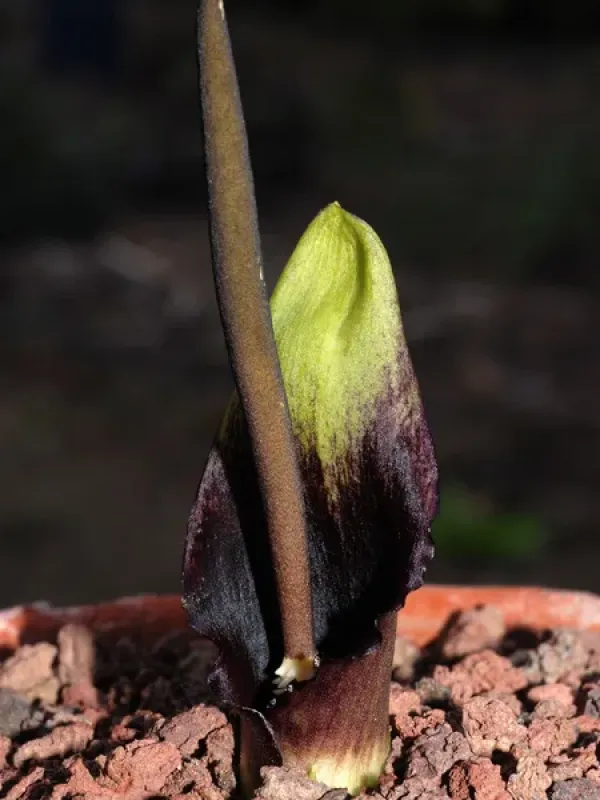
Description
Growing requirements
Biarum angustatum is a fascinating tuberous plant species belonging to the Araceae family. This geophyte is known for its highly specialized life cycle, which is strictly synchronized with the seasonal shifts typical of its native Mediterranean habitat.
The cultivation of this plant requires a deep understanding of its environmental preferences. The species demands a well-drained, gritty, and mineral-rich substrate to thrive, as it is extremely susceptible to tuber rot during its dormant summer phase.
In terms of climate, Biarum angustatum prefers regions with cool, moist winters that trigger growth and flowering, followed by hot, dry summers that mandate a period of complete dormancy. Providing this environmental contrast is crucial for the plant’s successful reproduction and survival.
Botanically, the plant is characterized by narrow, strap-like leaves and a spadix inflorescence enclosed in a dark-colored spathe. The leaves often develop alongside or after the blooms, depending on specific environmental cues and local climate variations.
From an agronomical perspective, minimal intervention is preferred. Cultivators should focus on replicating natural drainage conditions, ensuring that moisture is strictly withheld when the plant enters its summer dormancy stage to prevent fungal development.
Main diseases and pests
The primary threats to Biarum angustatum are fungal pathogens, specifically those causing root and tuber rot. These infections typically emerge when the substrate is allowed to remain waterlogged for extended periods.
Soil-dwelling pests, such as wireworms and larvae of beetles, pose a significant risk to the tuber structure. Their feeding activity compromises the plant's nutrient reserves, often leading to stunted growth or complete loss of the specimen.
Gastropods, including slugs and snails, represent a persistent threat to the emerging foliage during the wet winter months. These pests can cause severe defoliation, which reduces the plant's ability to accumulate energy for the next growing season.
Management strategies involve the use of permeable planting media, careful monitoring for signs of rot, and the occasional application of specialized insecticides if soil pest presence is confirmed in the cultivation area.
Integrated protection also includes ensuring good air circulation around the plants, which helps to keep the soil surface dry and minimizes the risk of mold growth after rainy periods.