
Biarum davisii
Biarum davisii
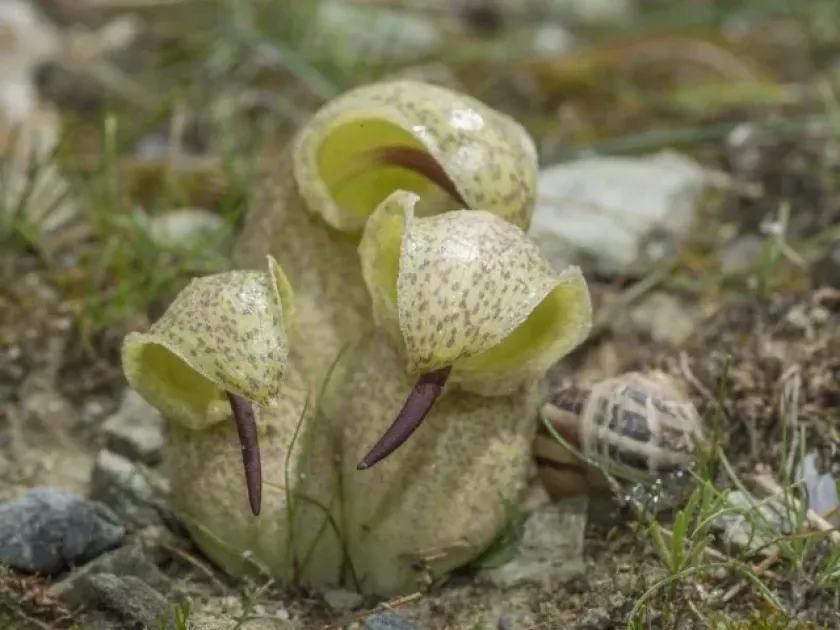
Description
Growing requirements
Biarum davisii is a distinct perennial tuberous plant belonging to the Araceae family. Native to the rocky habitats of Turkey and parts of the Mediterranean, it is well-adapted to environments with starkly contrasting seasonal cycles.
The botanical structure of the plant features a small tuber from which narrow leaves and a characteristic inflorescence emerge. The spadix is typically surrounded by a dark spathe, which serves as a major identifier for the species within its genus.
Cultivation requires a thorough understanding of its dormant period. The plant is a geophyte, meaning it requires a strictly dry, warm summer dormancy phase to ensure that the tuber remains healthy and viable for the next growing season.
Soil requirements are strictly focused on drainage. A mix comprising coarse sand, grit, and loam is ideal, as it prevents the water retention that the plant would otherwise experience in standard garden soil.
In temperate zones, Biarum davisii is primarily grown in pots. This allows for precise control over the watering schedule, ensuring that moisture is provided only during the active growth period, starting in late autumn.
Main diseases and pests
The primary threat to Biarum davisii is root and tuber rot caused by overwatering. If the substrate remains damp during the plant's dormant summer phase, fungal pathogens will rapidly compromise the tuber integrity.
Pests such as aphids may congregate on the developing inflorescences. While rarely fatal, they can distort growth and reduce the aesthetic value of the plant, necessitating gentle intervention if found.
Slugs and snails present a significant risk to the succulent leaves as they emerge from the soil. Placing grit or copper tape around the pots is a recommended preventative measure in outdoor or greenhouse settings.
Poor air circulation can lead to outbreaks of mold or mildews, particularly in early spring. Ensuring adequate ventilation is essential for maintaining the health of the foliage throughout the active season.
Viral infections can occasionally occur, often introduced by sap-sucking insects. Since there is no cure, any plant displaying signs of mottling or leaf distortion should be isolated or destroyed to protect other specimens.