
Biarum
Biarum hybrids
Description
Growing requirements
Biarum is a genus of perennial tuberous plants belonging to the Araceae family. Native primarily to the Mediterranean region and the Middle East, these plants have evolved to thrive in areas with distinct wet and dry seasonal cycles.
The core requirement for successful cultivation is impeccable drainage. The soil must be loose, gritty, and free-draining to prevent the tuber from sitting in moisture, which is the primary cause of plant failure in this genus.
These plants require high levels of solar radiation during their active growth period. In garden settings, they should be positioned in spots that receive full sun, ensuring the soil warms up adequately to stimulate metabolic processes.
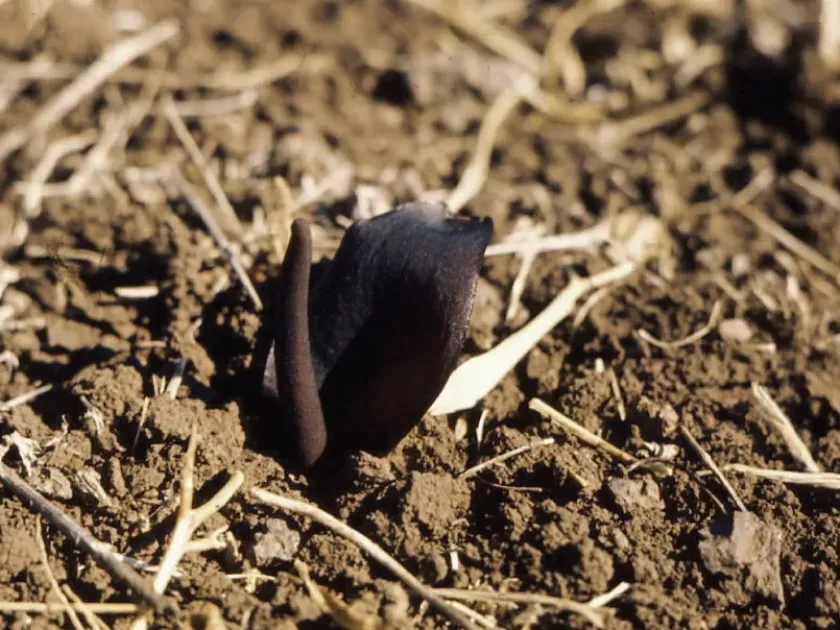
Botanically, Biarum is recognized for its unique inflorescence, consisting of an appendix and a spathe, which often emerges from the soil before the leaves. The tubers are typically deep-set in the soil, requiring careful handling during planting.
From a management perspective, the plant requires a rigid dormancy period. During the dry season, it is essential to keep the tubers dry to simulate their natural habitat conditions, which is crucial for preventing physiological disorders.
Main diseases and pests
Biarum is highly susceptible to fungal pathogens that lead to soft rot of the tubers. This is almost exclusively associated with improper moisture management, where waterlogged soil provides an ideal environment for bacteria and fungi.
Root-knot nematodes present a significant challenge by creating lesions on the tuber surface. These wounds act as entry points for secondary infections, often leading to the eventual collapse of the plant's vascular system.
In greenhouse environments, aphids and spider mites may infest the foliage during the growing season. Early intervention with specialized horticultural oils or systemic insecticides is recommended to maintain the plant's photosynthetic efficiency.
Slugs and snails can cause severe damage to the emerging spadix and leaves in early spring. Protecting the plants with physical barriers or organic molluscicides is standard practice in regions with high slug populations.
The best defense against these threats is the selection of clean, disease-free starting material and the maintenance of optimal hygiene in the cultivation area. Periodic inspection of dormant tubers ensures early detection of potential rot issues.