
Biarum pyrami
Biarum pyrami
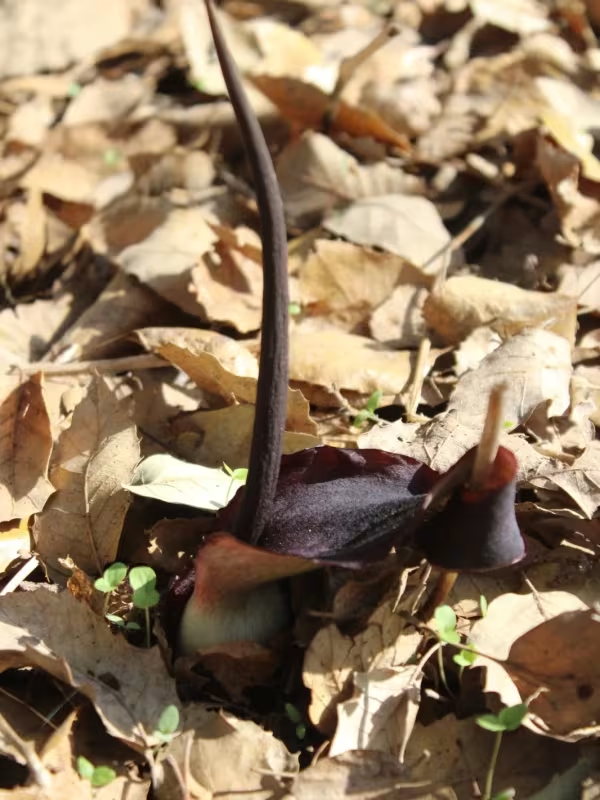
Description
Growing requirements
Biarum pyrami is a perennial tuberous plant belonging to the Araceae family. It is native to the eastern Mediterranean region, specifically thriving in rocky landscapes across Turkey, Syria, and Lebanon.
This species is highly adapted to Mediterranean climates, requiring well-drained, porous soils that mimic its natural rocky habitat to prevent the tubers from rotting during dormancy.
The plant exhibits a unique phenology, with the main vegetation phase occurring during the cool, wet autumn and winter months, while it remains dormant throughout the hot, dry summer.
Botanically, it is recognized by its specialized spadix and spathe inflorescence, which often emerges from the tuber before the foliage develops, creating a distinct aesthetic appeal.
In specialized cultivation, Biarum pyrami is valued as an ornamental crop, primarily for botanical collections and alpine gardens that can provide the specific environmental conditions it demands.
Main diseases and pests
The primary threat to Biarum pyrami in cultivation is excess soil moisture during the summer dormant period, which inevitably leads to severe fungal decay of the tubers.
Root pathogens and various species of rot-inducing fungi can rapidly spread through a collection if drainage is insufficient or if the growing medium remains consistently damp.
Pests such as aphids and spider mites are common concerns in greenhouse environments, potentially weakening the plant during its active growth phase in late winter or early spring.
Slugs and snails can also cause significant damage to the emerging shoots, necessitating protective measures during the early stages of the growing season.
Disease management relies heavily on preventative cultural practices, such as precise watering schedules, ensuring high light intensity, and maintaining sterile, mineral-based soil mixes.