
Biarum mendax
Biarum mendax
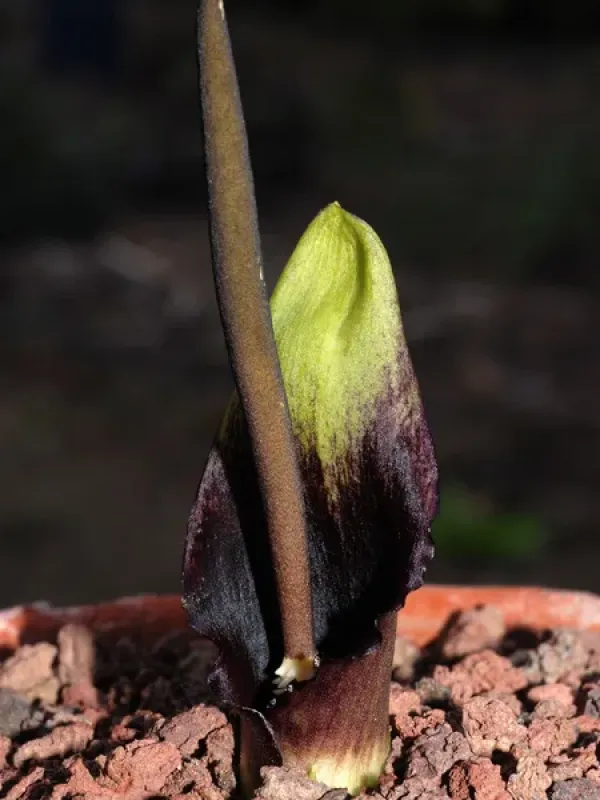
Description
Growing requirements
Biarum mendax is a distinct tuberous species belonging to the Araceae family. This plant is primarily of botanical interest due to its unique phenology, characterized by a growth cycle that is atypical for many conventional garden crops.
The plant originates from Mediterranean regions, where it has adapted to specific climatic patterns. It enters a state of dormancy during the hot, dry summer months, emerging only when autumn rainfall provides the necessary moisture for root and leaf development.
Successful cultivation requires soil that mimics its natural habitat: highly porous, well-draining, and rich in mineral content. Drainage is the most important factor, as excess water retention will cause the tuber to decay rapidly.
In terms of light, Biarum mendax thrives in full sun during its active growth phase. Reduced light levels will cause the plant to etiolate and significantly decrease the vitality of the tuber for subsequent growing seasons.
Temperature management is crucial. While the plant is hardy enough for Mediterranean-like winters, it requires protection from severe frost. During the summer dormancy period, the tubers should remain in dry, warm soil to prevent premature sprouting.
Main diseases and pests
Fungal pathogens are the primary threat to Biarum mendax. Overwatering is the most common cause of root rot and soft rot, which can destroy the entire tuber system within days, especially in poorly aerated environments.
Pests such as slugs and snails are particularly problematic when the foliage emerges from the soil. These mollusks can consume young leaves, causing substantial stress to the plant and reducing the energy stored in the tuber.
In greenhouse settings, spider mites and aphids may colonize the leaves. Monitoring the foliage and using appropriate acaricides or insecticidal soaps is necessary to maintain the plant's health during the active growth period.
Secondary infections often follow physical injury to the tuber. Careful handling during planting and lifting is essential to prevent microscopic tears in the outer skin, which serve as entry points for bacterial and fungal rot.
Preventative measures include using sterile soil mixtures and applying systemic fungicides before the onset of the growing season. This ensures that the plant is protected against soil-borne pathogens during its most vulnerable stage of development.