
Beschorneria
Beschorneria Kunth
Beschorneria is a genus of perennial evergreen plants belonging to the family Asparagaceae. Native to the mountainous regions of Mexico, these plants are well-adapted to specific ecological niches.
What the section contains

Beschorneria
The primary agronomic requirement for Beschorneria is a well-draining, nutrient-rich, and slightly acidic substrate. Preventing waterlogging is essential, as the roots are highly susceptible to rot.
In terms of climate, the culture requires bright, indirect sunlight to thrive. While some species can withstand brief frost, the plant is generally categorized as a tender succulent that prefers mild, temperate conditions.
Agronomic management involves regular, deep watering during the active growth phase, followed by a significant reduction in moisture during the winter dormant season to prevent fungal issues.
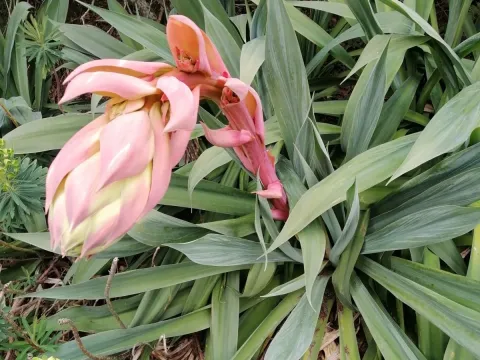
The plant is highly valued for its ornamental architectural form, characterized by large, leathery leaves and impressive, brightly colored inflorescences that attract pollinators in their native habitat.
Fungal pathogens associated with excessive soil moisture are the most frequent cause of health decline in Beschorneria crops.
Root rot is the most destructive condition, often triggered by poor drainage or over-watering in low-light conditions during the winter months.
Pests including mealybugs and spider mites frequently affect the leaves, particularly when the plant is kept in dry, indoor environments with stagnant air.
Integrated pest management strategies should focus on biological control where possible, with systemic insecticides applied only during severe infestations.
Monitoring the base of the leaf rosettes is critical, as pests often congregate in these tight, hidden areas, making early detection the best method of protection.