
Barringtonia scortechinii
Barringtonia scortechinii
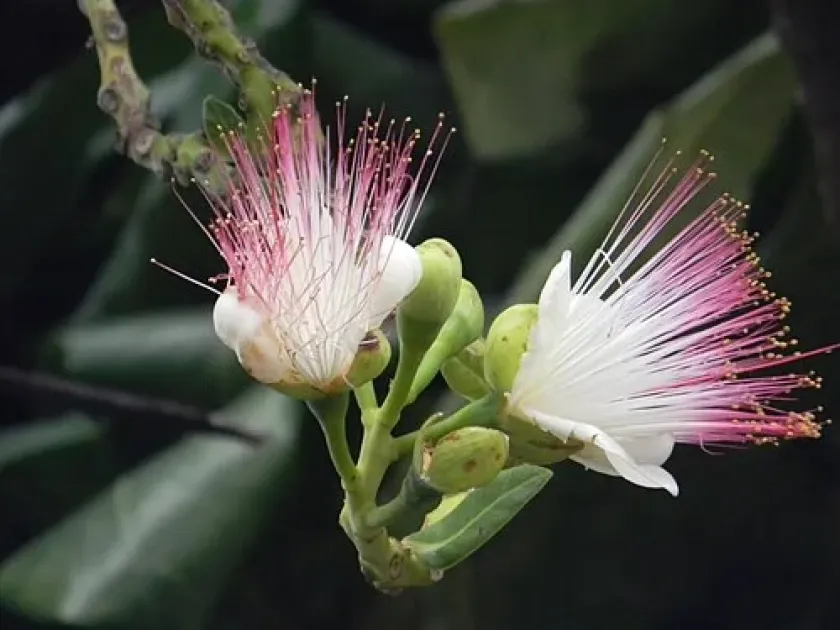
Description
Growing requirements
Barringtonia scortechinii is a notable species within the Lecythidaceae family, characterized by its presence in the dense tropical rainforests of Southeast Asia. As a woody evergreen, it thrives in warm, humid environments where temperature fluctuations are minimal throughout the year.
The climatic demands of this species dictate that it must be grown in tropical zones. It lacks cold tolerance, making it impossible to cultivate in temperate regions without controlled environmental systems, such as large-scale glasshouses designed for tropical flora.
Regarding soil requirements, this tree prefers deep, fertile, and well-drained soil types. It is particularly well-adapted to the organic-rich substrates of tropical alluvial plains, which provide the essential nutrients required for its sustained growth and canopy development.
Water management is a crucial aspect of its agrotechnical profile. The species requires consistently moist conditions; however, it is intolerant of waterlogged soil, which necessitates planting on well-drained slopes or raised mounds in agricultural settings.
General maintenance involves monitoring for canopy health and ensuring that the tree receives adequate light levels. While saplings benefit from shelter, mature trees require significant exposure to sunlight to reach their full physiological potential and reproductive success.