
Barringtonia apiculata
Barringtonia apiculata
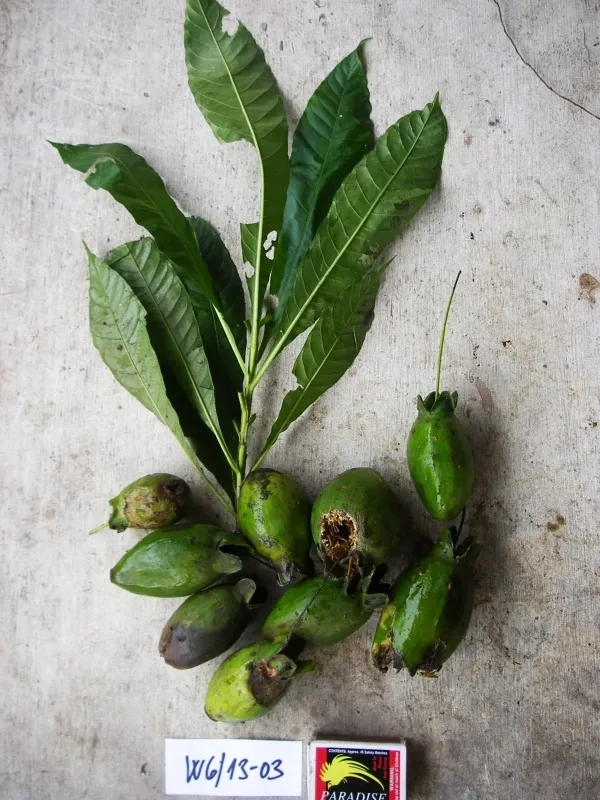
Description
Growing requirements
Barringtonia apiculata is a distinctive member of the Lecythidaceae family, primarily native to the tropical regions of Southeast Asia and Northern Australia. It is classified as an evergreen tree that thrives in humid, riparian environments.
The cultivation of this species requires high levels of moisture and specific soil conditions. It is best suited for swampy terrains and periodically inundated areas where high soil saturation is maintained throughout the vegetation period.
Temperature requirements for this plant are strictly tropical, necessitating frost-free environments year-round. It performs best in nutrient-rich, acidic to neutral soil types that demonstrate high moisture-retention capacity.
Botanically, the plant is characterized by its large, leathery leaves and distinct apical tips, which are diagnostic features. The flowering structures are highly specialized, designed to attract specific nocturnal pollinators common in its native habitat.
Economically, Barringtonia apiculata is primarily utilized for ecological restoration of wetland areas and soil erosion control. Additionally, parts of the plant are recognized in local traditional medicine and ethnobotanical practices within its range.