
Barringtonia calyptrata
Barringtonia calyptrata
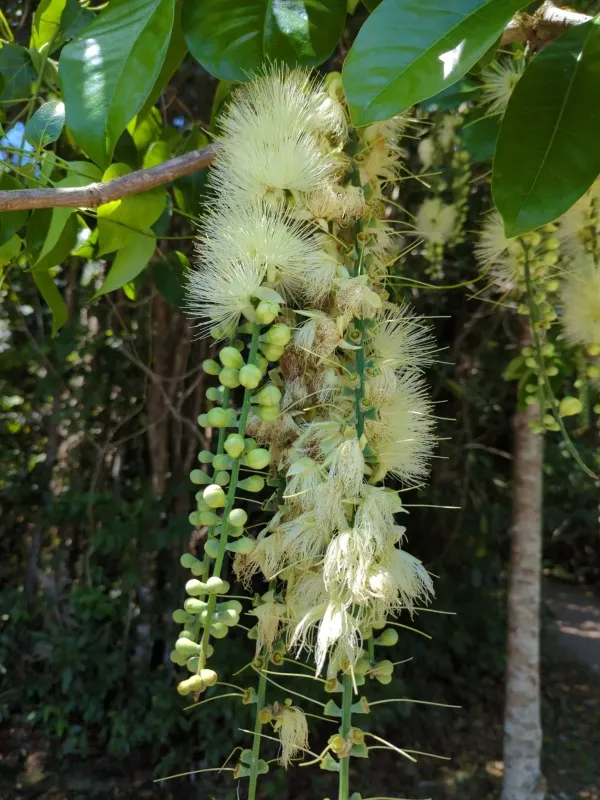
Description
Growing requirements
Barringtonia calyptrata is a prominent tropical tree species belonging to the Lecythidaceae family. Native to the tropical rainforests of Northern Australia and parts of Melanesia, this species thrives in humid, high-temperature environments.
The climate requirements for this plant are strictly equatorial, as it cannot tolerate cold snaps or frost. It performs best in areas with consistent rainfall patterns, ensuring that the soil moisture remains at a stable, high level throughout the year.
Soil quality is paramount, and the species prefers deep, well-draining soils rich in organic matter. While it is tolerant of various substrates, it does not thrive in compacted, nutrient-poor, or excessively sandy soils that do not retain water.
Botanically, the tree is characterized by its broad, leathery leaves and unique floral structure, which are typical for the family. It acts as an essential component of the forest canopy, contributing significantly to the regional ecosystem and biomass production.
In terms of economic use, the tree is valued primarily in traditional contexts, including the utilization of its chemical extracts in local medicine. Scientific interest is growing regarding the sustainable cultivation of this species for potential pharmaceutical applications.
Main diseases and pests
The primary threats to Barringtonia calyptrata include fungal pathogens such as root rot, which are triggered by waterlogging. In the humid tropical environments where it grows, drainage management is the most important factor in preventing these infections.
Insect pests such as wood-boring beetles and caterpillars are common threats that target the stems and foliage of the trees. Severe infestations can lead to significant loss of leaf mass and structural weakness.
Environmental changes, particularly the loss of native rainforest habitats, pose a long-term risk to the species' survival. Deforestation affects the microclimate, making it difficult for the tree to maintain the high humidity it requires.
Invasive weed species can outcompete young Barringtonia saplings for light and soil nutrients. Regular weeding during the early stages of growth is essential to ensure the tree establishes itself successfully.
Integrated pest management and careful site selection are the best approaches to mitigating these threats. Maintaining healthy canopy cover helps preserve the natural balance required for the tree to resist common diseases.