
Barringtonia macrostachya
Barringtonia macrostachya
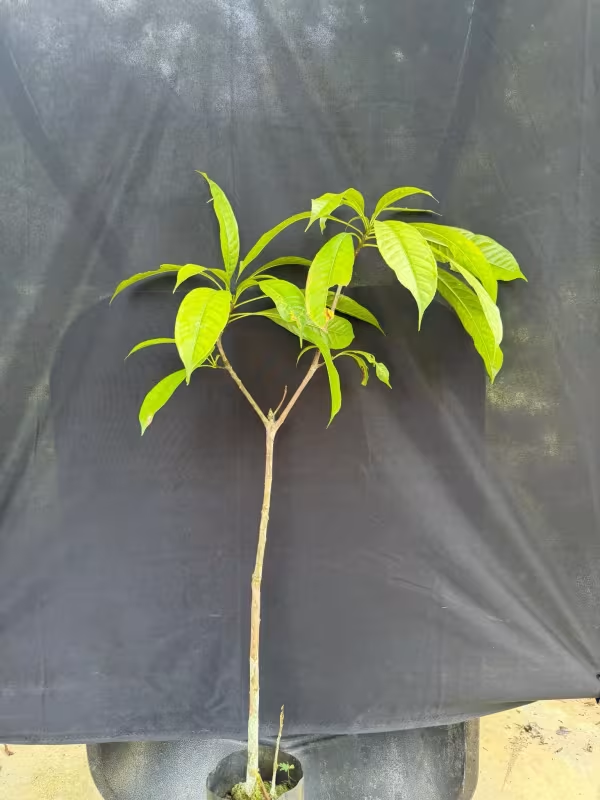
Description
Sowing dates
Barringtonia macrostachya is a significant member of the Lecythidaceae family, typically found in tropical regions. Propagation is primarily carried out via seeds, which are best sown at the onset of the rainy season to capitalize on the natural moisture levels required for germination.
Fresh seeds exhibit the highest germination rates, as they lose viability rapidly if stored improperly. The sowing medium should be a loose, nutrient-rich compost that ensures excellent aeration and moisture retention without becoming waterlogged.
Germination requires a consistent warm climate, with temperatures maintained between 25 and 30 degrees Celsius. Seeds should be placed at a shallow depth and shielded from direct sunlight until the first set of true leaves develops and the plant establishes its initial root structure.
Seedlings are highly sensitive during the first months of growth. Transplanting into larger containers or permanent nursery plots is recommended once the plant reaches a height of 30 centimeters, ensuring that the root ball remains intact to minimize transplant shock.
In plantation settings, a spacing of at least 5 meters between trees is standard to provide enough space for crown expansion. This spacing also facilitates easier maintenance, regular fertilizing, and inspection for any emerging pests or physiological disorders.
Growing requirements
This species demands a strictly tropical environment, characterized by high humidity and consistent rainfall throughout the year. It thrives in deep, fertile soils that are well-drained, as it avoids areas prone to prolonged flooding or anaerobic conditions.
Light requirements vary depending on the age of the tree; young saplings require partial shade, while mature specimens prefer full sun exposure for optimal growth and flowering. Protecting the trees from high-velocity winds is crucial to prevent mechanical damage.
Soil management should include organic mulching to regulate soil temperature and moisture levels. Regular applications of organic fertilizers or well-decomposed manure are essential for maintaining soil fertility and supporting the plant's high biomass production.
Water management is critical during the establishment phase. While mature trees are somewhat resilient, consistent watering during any short dry spells is vital to prevent leaf drop and ensure healthy metabolic activity throughout the growing season.
Pruning is an essential part of the agrotechnical cycle, aimed at removing diseased branches and encouraging a balanced crown shape. This practice not only improves the overall health of the tree but also enhances its visual appeal and potential yield of seeds or medicinal bark.
Main diseases and pests
Barringtonia macrostachya is susceptible to several fungal diseases, particularly under conditions of high humidity and poor ventilation. Fungal spots and bark rot can be effectively managed by ensuring proper spacing and removing debris from the base of the tree.
Pest attacks are frequently led by sap-sucking insects like aphids and various species of mites. These pests can significantly reduce tree vigor if left unchecked, so regular visual inspections of the foliage are recommended to catch infestations in the early stages.
Integrated pest management (IPM) is the most sustainable approach for this crop. Utilizing biological controls, such as introducing predatory insects or applying neem-based sprays, helps manage pest populations without causing detrimental impacts on the local ecosystem.
Root health is of paramount importance, as soil-borne pathogens can cause significant mortality in younger trees. Ensuring a high standard of sanitation in the nursery and checking for proper drainage in the field are the primary defenses against root rot.
Monitoring for signs of nutrient deficiency, such as yellowing leaves or stunted growth, allows for targeted corrective fertilization. By maintaining the overall health and vigor of the trees through balanced nutrition, the crop becomes more naturally resistant to threats.