
Barringtonia sarcostachys
Barringtonia sarcostachys
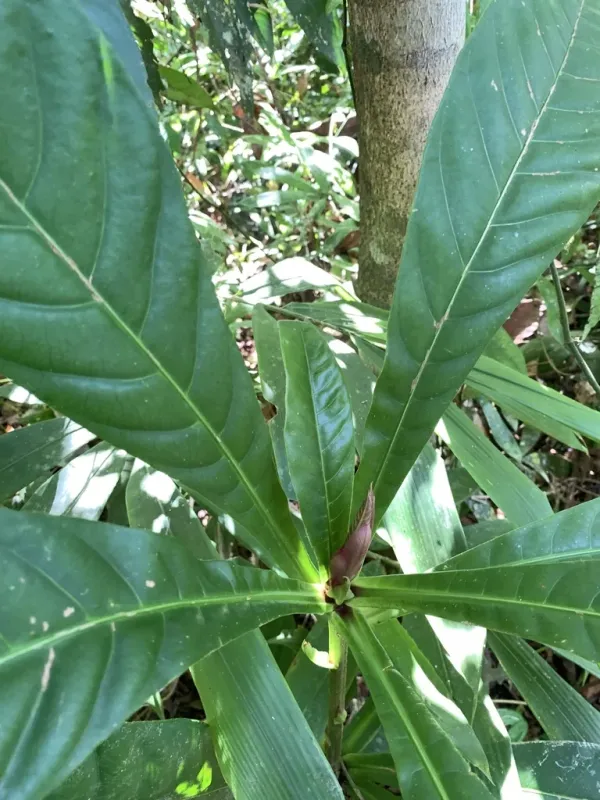
Description
Growing requirements
Barringtonia sarcostachys is a notable member of the Lecythidaceae family, indigenous to the tropical rainforest regions of Southeast Asia, thriving in humid environments.
The plant requires a strictly tropical climate with consistent warmth throughout the year, as it lacks cold hardiness and is highly sensitive to temperatures dropping below certain thresholds.
Optimal growth is achieved in deep, nutrient-rich soils that possess excellent drainage capabilities, ensuring that the root system remains healthy and free from prolonged waterlogging.
The species is naturally adapted to riverbanks and coastal areas, showing a strong resilience to high humidity levels and seasonal variations in soil moisture content.
Agronomic management involves maintaining a stable environment, ensuring adequate space between individuals to prevent overcrowding, which could restrict air circulation and light penetration.
Harvesting
The economic utility of the crop centers on its fruits and seeds, which are utilized in various local applications, including traditional medicinal preparations and small-scale manufacturing.
Harvesting strategies are based on the maturation cycle of the fruits, ensuring that collection takes place only when the chemical composition is optimal for intended use.
Post-harvest handling is critical, requiring efficient drying methods to prevent fungal degradation, especially given the typically humid conditions of the cultivation zones.
Beyond fruit production, the species contributes to biodiversity in managed agroforestry systems, where it provides structural shade and supports local ecosystem stability.
Sustainable cultivation practices, including careful pruning and soil fertility management, are essential to maximize yield and ensure the long-term productivity of the plantation.