
Barringtonia samoensis
Barringtonia samoensis
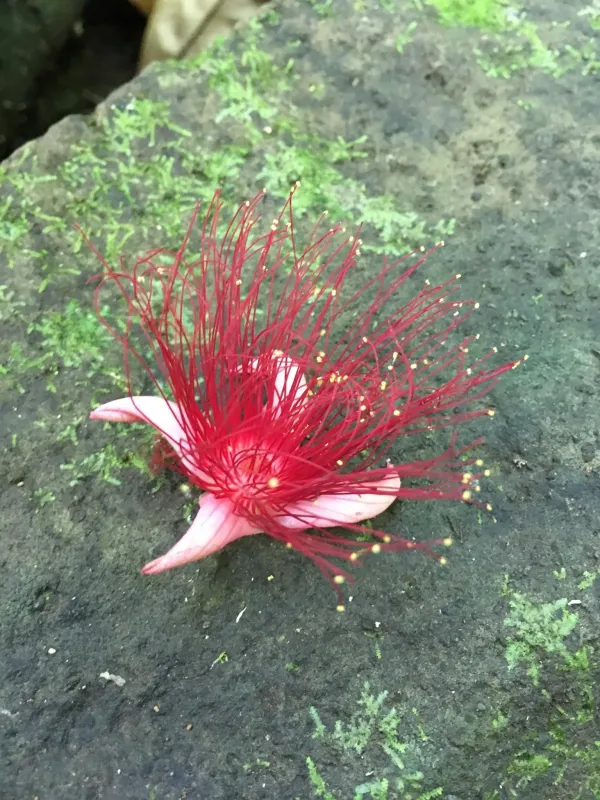
Description
Growing requirements
Barringtonia samoensis is a robust evergreen tropical tree belonging to the family Lecythidaceae. In its native habitat, it grows into a majestic specimen with large, thick leaves and distinctive inflorescences that are characteristic of the Barringtonia genus.
The species is primarily native to the islands of Samoa and other parts of the Pacific region. It thrives in high-humidity tropical climates where temperatures remain consistently warm throughout the year, without any significant seasonal cool periods.
For successful cultivation, the plant requires rich, moist, and well-draining soil. It is frequently observed growing in riparian zones or near coastal areas where it benefits from high groundwater levels and high atmospheric moisture.
Light requirements involve providing ample indirect sunlight, especially for young saplings that are susceptible to scorching from direct tropical sun. As the tree matures, it becomes more resilient, but maintaining wind protection remains essential to prevent mechanical damage to its large foliage.
Economically, the tree is valued for its potential in reforestation projects, soil erosion control, and its role in traditional ecological knowledge. Parts of the plant, including seeds and bark, have historically been utilized in local medicinal practices and traditional fishing methods.
Main diseases and pests
The primary threats to Barringtonia samoensis include root fungal pathogens, which become prevalent if the soil lacks sufficient drainage. Maintaining soil health is crucial to preventing long-term damage caused by waterlogging in the root zone.
Various tropical leaf-eating insects and boring pests represent common threats that can affect the plant's structural integrity. Monitoring the foliage and ensuring proper plant spacing are effective strategies to mitigate the impact of pest outbreaks and maintain a healthy canopy.