
Barringtonia procera
Barringtonia procera
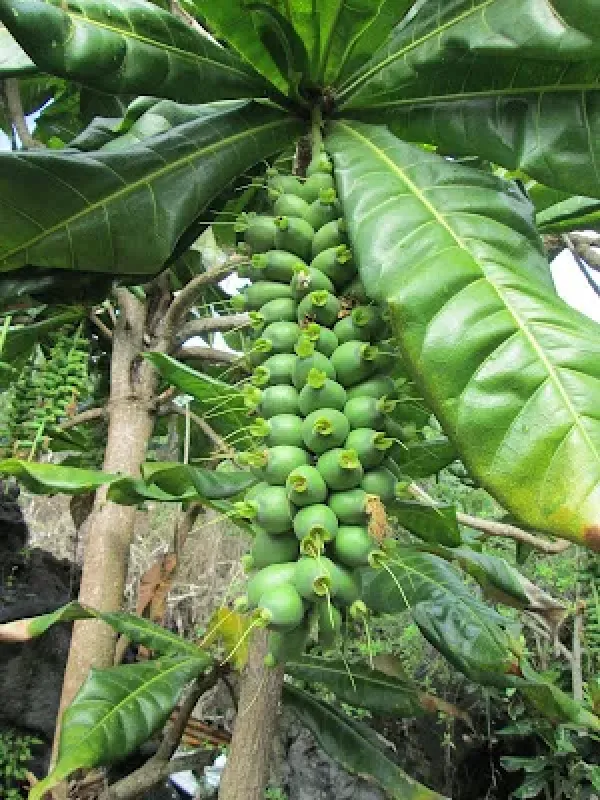
Description
Sowing dates
Barringtonia procera is a member of the Lecythidaceae family. In its natural habitat, the plant propagates through seeds, which require high humidity levels to maintain their viability and germinate effectively.
For agricultural purposes, it is essential to use fresh seeds, as they quickly lose their ability to germinate if allowed to dry out for extended periods.
Sowing should take place in well-prepared seedling trays or pots filled with a nutrient-rich, moisture-retentive growing medium to ensure rapid establishment.
Seedlings require shaded conditions during their early development stages to protect them from excessive solar radiation, which can scorch tender leaves.
Transplanting into the field is recommended at the onset of the wet season, allowing the root system to adapt to the local soil environment before the dry season commences.
Growing requirements
The tree thrives in tropical climates characterized by consistent temperatures and high annual rainfall, making it unsuitable for regions with cold or frosty winters.
It prefers fertile, well-drained soils, although it demonstrates a remarkable ability to adapt to alluvial soils found in river valleys and coastal regions.
Adequate sunlight is necessary for optimal development, yet young plants benefit from partial shade, mimicking the conditions of their native forest environment.
Consistent moisture management is crucial, as the plant does not tolerate prolonged drought, especially when trees are young or in the fruit-set stage.
Proper spacing is vital for air circulation and light penetration, ensuring that the canopy can develop fully without competing with neighboring trees for resources.
Yield
Barringtonia procera is highly valued for its edible kernels, which provide a significant food source and are considered a staple component in regional diets.
Trees typically begin to bear fruit between 4 and 6 years of age, with yields gradually increasing as the tree develops a more mature and robust structure.
The fruit consists of a fibrous husk surrounding the kernel; it is harvested when the outer color indicates maturity and the seeds are ready for consumption.
Besides being consumed directly, the seeds are often processed for their oil, which has both culinary and potential commercial applications in traditional industries.
Regular maintenance, including organic fertilization and mulch application, helps sustain the tree's vitality and optimizes production levels over its lifespan.
Main diseases and pests
Fungal pathogens represent a primary threat in humid environments, necessitating proactive canopy management and regular thinning to promote air movement.
Leaf-eating insects can cause significant damage to young plantations, requiring integrated pest management strategies to protect the foliage and overall tree health.
Root-knot nematodes may pose a risk in specific soil types, making it important to use clean nursery stock and maintain healthy soil biological activity.
Vertebrate pests, such as rodents, can damage maturing fruits; employing physical barriers or targeted deterrents can help minimize harvest losses.
Sanitation practices, such as removing fallen leaves and pruning dead wood, are essential to prevent the accumulation of pests and diseases within the orchard.
Harvesting
Harvesting is traditionally performed by collecting fruit that has matured and naturally fallen to the ground, or by selective picking from the lower canopy branches.
Post-harvest handling involves removing the protective fibrous husk promptly to prevent decay and ensure the quality of the kernels intended for drying.
Drying the kernels in well-ventilated, shaded areas is a critical step to reduce moisture content and extend the shelf life of the harvested product.
Properly dried seeds should be stored in cool, dry conditions away from pests to maintain their nutritional profile and prevent the development of spoilage agents.
Efficient transportation of the harvested fruit ensures that the crop reaches the processing facility without sustaining mechanical damage or quality degradation.