
Avicennia schaueriana
Avicennia schaueriana
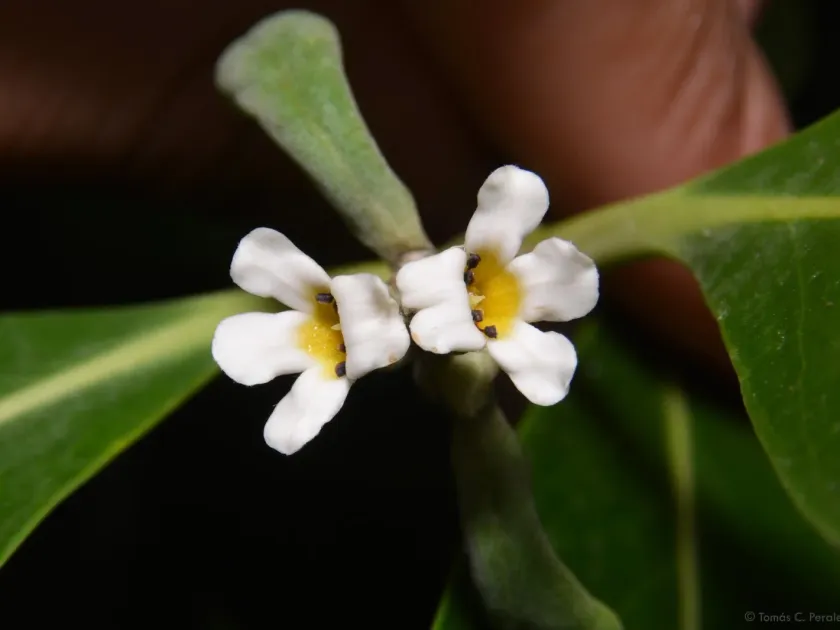
Description
Growing requirements
Avicennia schaueriana is a significant species of mangrove belonging to the Acanthaceae family. This evergreen tree is highly specialized for life in intertidal zones where it endures daily saline flooding.
The native range of this species is concentrated along the Atlantic coast of South America, particularly in Brazil, where it plays a critical role in stabilizing coastal sediments.
The plant is biologically distinguished by its pneumatophores, which are aerial roots that emerge from the mud to absorb oxygen directly from the atmosphere in waterlogged anaerobic soils.
Climate requirements include consistently high temperatures and high humidity, making the plant entirely unsuited for non-tropical agriculture outside its native range.
The soil structure must be fine-textured, typically muddy or silty, providing the necessary moisture retention and chemical composition to support its specialized salt-excreting foliage.
Main diseases and pests
Coastal development remains the primary threat to this species, as urbanization and the construction of infrastructure lead to the direct loss of mangrove forest habitat.
The species is susceptible to various pests, including leaf-mining insects and wood-boring beetles that can compromise the health of mature, structurally important trees.
Oil spills and the accumulation of pollutants in tidal sediments are significant environmental risks that inhibit both growth and the successful germination of propagules.
Invasive non-native plant species can outcompete young Avicennia individuals, particularly in areas where the natural sediment flow has been altered by dams or canals.
Extreme weather events, exacerbated by global climate change, can cause physical damage to the root systems and alter the salinity balance of the local ecosystem beyond the plant's tolerance.