
White mangrove
Avicennia alba
Description
Growing requirements
White mangrove (Avicennia alba) is a species of mangrove tree belonging to the Acanthaceae family. This tree is a characteristic inhabitant of tropical coastal ecosystems, specifically adapted to survive in environments subject to regular saltwater tidal inundation.
The species is primarily distributed across the coastal regions of Southeast Asia, including Indonesia, Malaysia, and the Philippines. It thrives in muddy intertidal zones near river mouths, where it creates dense stands that are vital for coastal stabilization and sediment trapping.
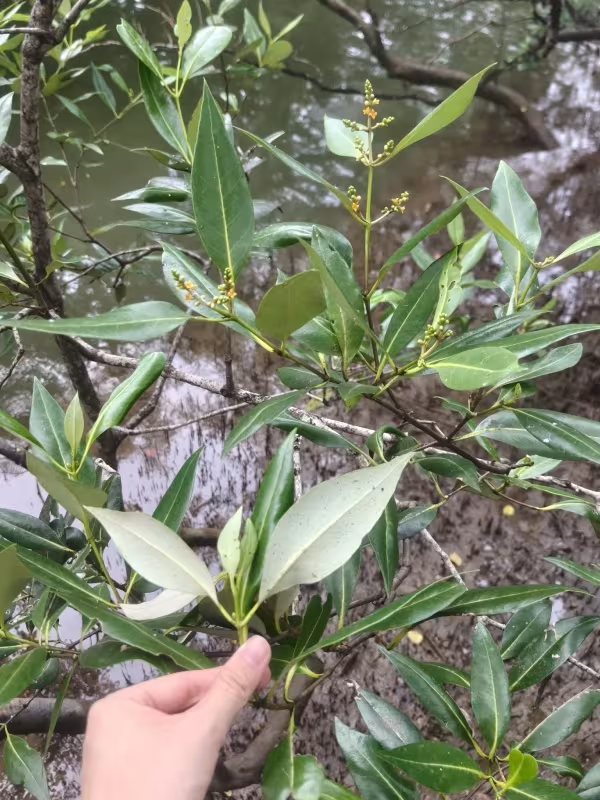
The plant is botanically distinguished by its specialized pneumatophores—aerial roots that extend above the mud surface to facilitate gas exchange in anaerobic soils. The leaves are lanceolate, leathery, and possess a silvery-white underside, which is the source of the common and specific species names.
Optimal growth requires tropical climate conditions where temperatures remain consistently above 20 degrees Celsius. While highly tolerant of salinity, the plant employs a unique biological mechanism to excrete excess salt through specialized glands located on its leaf surfaces.
In terms of economic and ecological utility, Avicennia alba is crucial for mangrove reforestation projects and coastal defense against erosion and storm surges. Its wood is locally harvested for construction, and its nectar is highly valued in apiculture for producing distinct mangrove honey.
Main diseases and pests
The primary threats to white mangrove populations are anthropogenic, specifically large-scale deforestation for aquaculture, particularly shrimp farming, and oil pollution in coastal waters. These activities severely disrupt the delicate balance of the intertidal environment.
Biological threats include fungal infections affecting the root system when the tidal flow is obstructed. Additionally, seedlings are frequently vulnerable to grazing by various crab species, which can significantly reduce the success rate of reforestation efforts.
Climate change, manifesting as rising sea levels, poses a long-term risk of drowning the trees, as excessive inundation prevents the pneumatophores from performing gas exchange, leading to gradual forest dieback.
Pests, such as certain species of weevil larvae, can bore into the bark and stems of mature trees, compromising their structural integrity and vigor. Outbreaks of these insects are often triggered by environmental stress and poor ecosystem health.
Effective management in silviculture requires rigorous monitoring of water chemistry and maintenance of tidal hydrological pathways. Implementing biological pest control and protecting local biodiversity are essential strategies for sustainable white mangrove management.