
Avicennia resinifera
Avicennia resinifera
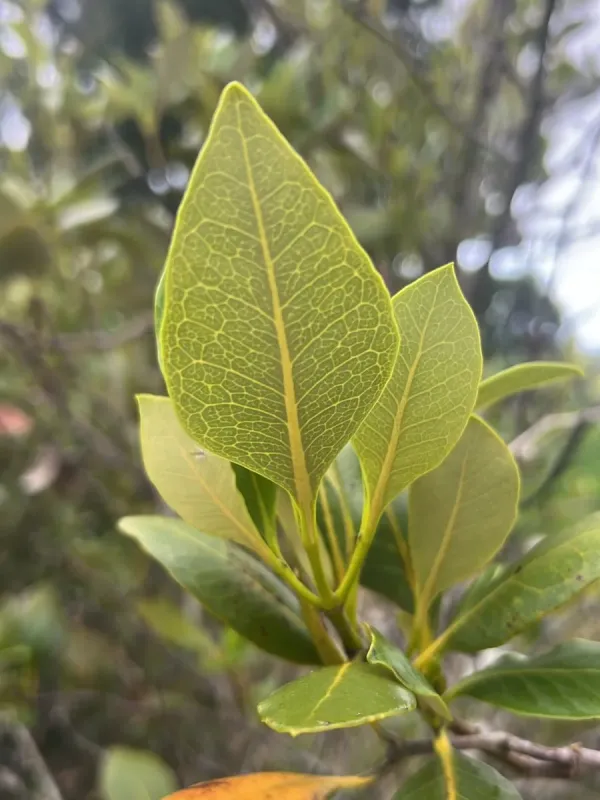
Description
Growing requirements
Avicennia resinifera, belonging to the Acanthaceae family, is a notable mangrove species adapted to harsh tidal environments. It is recognized for its ability to thrive where other terrestrial crops would perish due to salinity and waterlogging.
The native range of this species extends across tropical coastal zones in Southeast Asia and parts of Australia. It primarily populates intertidal areas, functioning as a primary producer in the complex mangrove forest food web.
Botanically, the plant is famous for its specialized root system, known as pneumatophores. These structures emerge from the mud to absorb oxygen from the air, enabling the tree to sustain its metabolism in anaerobic, saline-saturated sediments.
Growth requirements necessitate highly specific coastal conditions, including consistent tidal inundation and fine-textured mud. The tree possesses sophisticated salt-gland mechanisms within its leaves to manage the high salinity of its intake water.
Climate needs are strictly tropical, requiring high ambient temperatures year-round. It is extremely sensitive to frost and cold stress, limiting its cultivation and natural occurrence to warm maritime regions without seasonal temperature drops.
Yield
Economically, Avicennia resinifera has been historically valued for its bark, which contains high levels of tannins used in the leather industry. The resinous extracts are also sought after for traditional artisanal and medicinal applications.
Beyond material production, the primary yield of these stands is ecological service. Mangrove forests provide essential coastal protection, carbon sequestration, and nurseries for various aquatic species, which indirectly supports local fishing economies.