
Avicennia rumphiana
Avicennia rumphiana
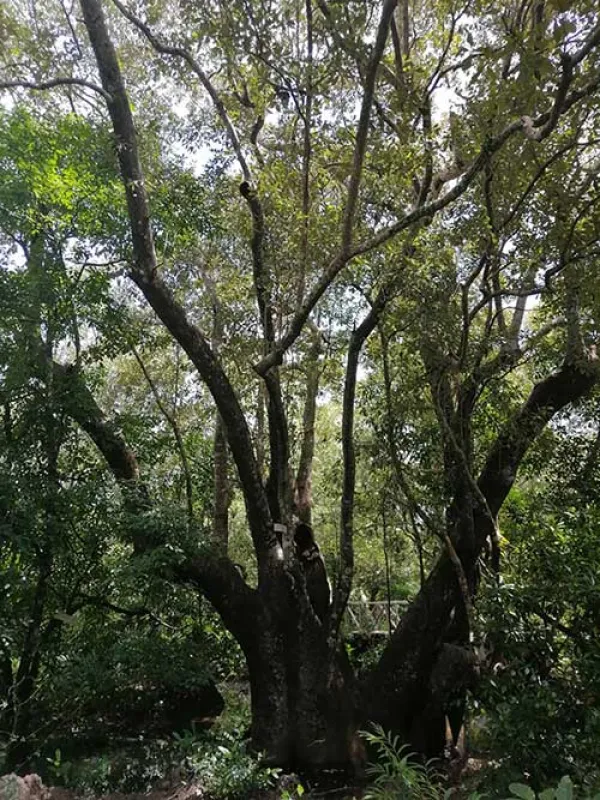
Description
Growing requirements
Avicennia rumphiana is a prominent mangrove species belonging to the Acanthaceae family. Native to Southeast Asia, it is primarily found in tidal swamps and river estuaries, playing a crucial role in coastal stabilization and biodiversity support.
The plant is distinguished by its unique adaptation to saline, waterlogged environments. Its most notable botanical feature is the presence of peg-like pneumatophores that protrude from the mud to facilitate essential oxygen exchange for the roots submerged in anaerobic soil.
Successful growth requires a stable tropical climate with high humidity and significant sunlight. It thrives in fine-grained, silty, or muddy soils where tidal flushing ensures a constant supply of nutrients and oxygenated water movement.
Agrotechnical management in mangrove restoration involves ensuring the correct tidal elevation. If the planting site is too deep, the pneumatophores will be covered by water for too long, causing the plant to suffocate and die prematurely.
Economically, this species is valued for its hard and durable timber, often used in rural construction and as a high-quality fuel source. Furthermore, it supports local apiculture by providing large amounts of nectar, resulting in specialized honey products.
Main diseases and pests
The primary threats to Avicennia rumphiana involve coastal development and pollution. Oil spills and agricultural runoff into estuaries can coat the pneumatophores, effectively cutting off the plant's oxygen supply.
Herbivory presents another challenge, especially at the seedling stage. Crabs and various insects can cause high mortality rates in newly established mangrove plantations by consuming soft tissues of young plants.
Climate change, specifically sea-level rise, remains a significant threat. If the water level increases faster than the rate of sedimentation, these trees may eventually submerge, leading to a loss of the entire local mangrove community.
Fungal pathogens can infect the root systems if the water flow becomes stagnant, leading to rot and structural instability of the mangrove forest stand.
Competition from invasive plant species or changing sediment dynamics can significantly alter the success rate of reforestation efforts, requiring constant monitoring by environmental managers.