
Asystasia travancorica
Asystasia travancorica
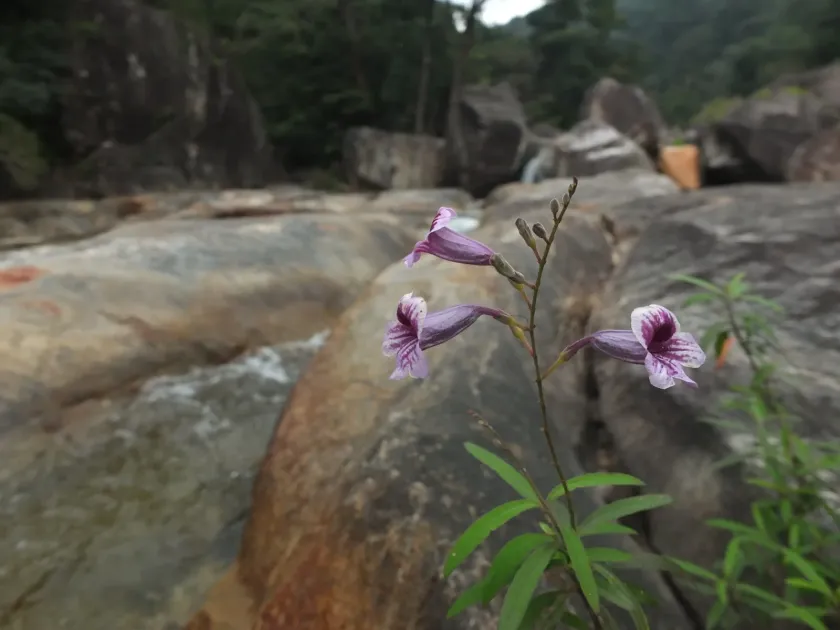
Description
Sowing dates
Sowing seeds of Asystasia travancorica is best performed in late winter or early spring using a well-draining, nutrient-rich seed starter mix.
To improve germination rates, it is recommended to soak the seeds in warm water for several hours prior to planting them in the soil.
Maintain an ambient temperature between 22 and 25 degrees Celsius and keep the soil consistently moist until the seedlings emerge.
Once seedlings develop their first set of true leaves, they can be transplanted into larger containers to support further vegetative development.
Propagation through cuttings is also a highly effective method, providing a faster way to multiply the population during the warm season.
Growing requirements
Asystasia travancorica is a member of the Acanthaceae family, native to the tropical forests of the Travancore region in India.
The plant thrives in bright, indirect light, which mimics the natural filtered sunlight of its native tropical habitat.
Soil requirements include a slightly acidic to neutral pH level, combined with excellent drainage to prevent root moisture stress.
High humidity levels are essential for this species, as it is physiologically adapted to the damp air of tropical environments.
Regular fertilization with a balanced, water-soluble fertilizer helps sustain its vigorous growth and vibrant flowering cycles.
Main diseases and pests
The primary pests affecting this crop include spider mites, aphids, and mealybugs, which tend to infest the undersides of the leaves.
Excessive soil moisture can lead to severe root rot issues, which are often caused by poor drainage or overwatering the substrate.
Fungal pathogens such as leaf spot can occur in environments with poor air circulation or consistently high humidity levels.
Integrated pest management strategies, such as physical removal and horticultural soaps, are recommended for maintaining plant health.
It is important to monitor the foliage frequently for any signs of discoloration or wilting, which may indicate early stages of infection.