
Asystasia nemorum
Asystasia nemorum
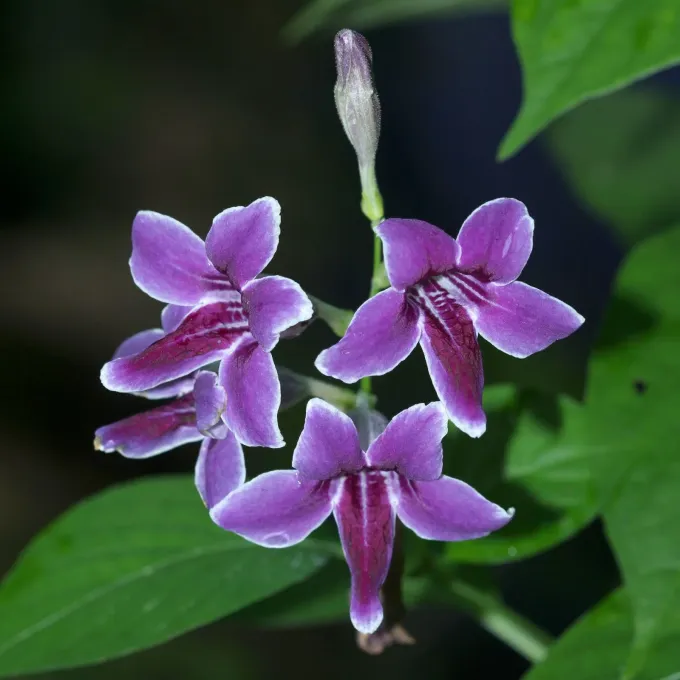
Description
Sowing dates
Seeds of Asystasia nemorum are typically sown in a controlled environment during late winter or early spring. Using a lightweight, sterile starting mix ensures the best germination results for these tropical seeds.
Maintaining a temperature range of 22–25 degrees Celsius is critical during the initial germination phase. Consistent moisture levels, achieved through misting or a humidity dome, help sustain the delicate environment needed for seedling emergence.
For vegetative propagation, cuttings are taken from healthy, established parent plants. These cuttings should be placed in a rooting medium such as perlite mixed with peat to facilitate quick root development.
Transplanting into the garden or final containers must occur only when all risks of frost have passed. Asystasia nemorum is highly sensitive to cold, and premature planting can lead to stunted development or plant death.
Proper spacing is essential to ensure adequate airflow between plants, which is a key factor in preventing disease outbreaks. Depending on the intended use, spacing between 40 to 50 centimeters is usually recommended.
Growing requirements
Asystasia nemorum belongs to the Acanthaceae family and flourishes in tropical and subtropical climates. It thrives in high-humidity environments and requires protection from harsh, direct sunlight that can scorch its leaves.
The ideal soil is fertile, well-draining, and rich in organic matter. A neutral to slightly acidic pH is preferred, as extreme alkalinity can lead to nutrient deficiencies that manifest as yellowing of the leaves.
Light requirements are best met with bright, filtered sunlight or partial shade. If grown in low-light conditions, the stems tend to become elongated and leggy, which significantly reduces the aesthetic and agricultural value of the crop.
Watering must be frequent enough to keep the soil consistently moist but never waterlogged. Since this species originates from humid environments, it appreciates regular hydration and stable moisture levels in the root zone.
Fertilization with a balanced, water-soluble fertilizer during the peak growth season supports the plant's health. Applying a low-nitrogen formula during the pre-flowering stage can help improve the quality of floral displays.
Main diseases and pests
Spider mites are among the most common threats to Asystasia nemorum, particularly in warm, dry environments. They cause stippling on the leaves and can rapidly weaken the plant if left untreated by appropriate acaricides.
Whiteflies also pose a significant challenge, especially in greenhouse settings. Their presence can be managed through the application of insecticidal soaps or systemic pesticides applied at the first sign of infestation.
Root rot is a major disease concern caused by overwatering or poor drainage systems. Preventing this requires diligent monitoring of soil moisture and ensuring that pots or garden beds have proper aeration.
Powdery mildew may occur if the plants are crowded and lack sufficient air circulation. Improving ventilation and using fungicides can effectively control the spread of this fungal pathogen among dense plantings.
Integrated Pest Management (IPM) practices, such as removing infested plant debris and maintaining sanitary conditions, are essential. Regular inspection of the plant canopy helps detect pests before they reach critical levels.