
Asystasia gangetica
Asystasia gangetica
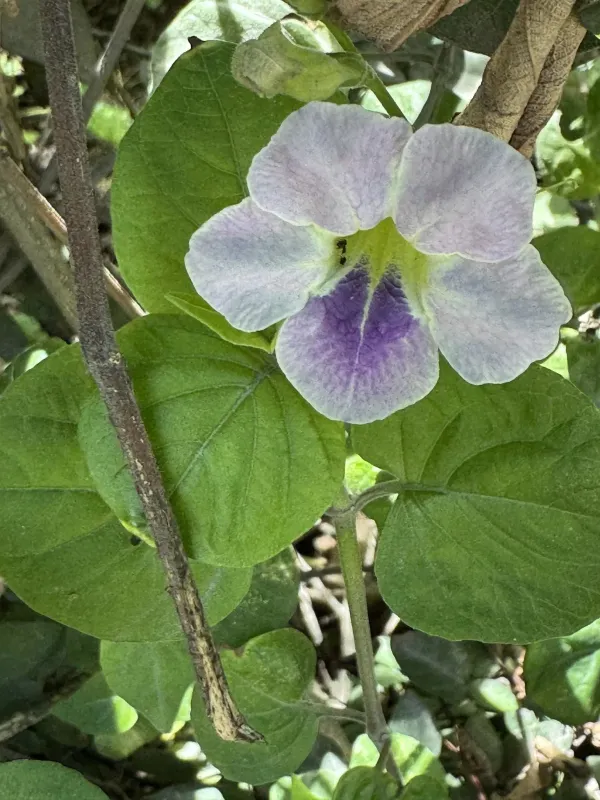
Description
Sowing dates
Asystasia gangetica, commonly known as Chinese violet or creeping foxglove, is a perennial herbaceous plant belonging to the Acanthaceae family. In tropical regions, sowing or propagation can occur year-round, although the beginning of the rainy season is generally preferred for optimal establishment.
Due to its vigorous growth habit, it is recommended to maintain a planting distance of at least 50 to 80 centimeters. This spacing prevents overcrowding, which can otherwise diminish the overall health and productivity of the individual plants.
Propagation is typically achieved through seeds, which exhibit high viability in moist, warm soil. While no special pre-treatment is strictly required, soaking seeds in water for several hours can facilitate faster and more uniform germination.
Vegetative propagation via stem cuttings is also highly effective. Cuttings of 15-20 centimeters length are inserted directly into prepared soil, requiring consistent moisture for the first two weeks until root systems are well-established.
Selection of the site is critical, as the plant's aggressive growth allows it to outcompete native vegetation, making it an excellent choice for stabilizing disturbed soils but necessitating management in agricultural settings.
Growing requirements
Asystasia gangetica thrives in full sun to partial shade. It is highly adaptable to various soil types, ranging from sandy to loamy textures, provided that the soil offers adequate drainage to prevent root rot.
The plant requires regular moisture to maintain its rapid vegetative growth. While it is somewhat resilient to short-term dry spells, consistent watering during the growing season is essential for achieving maximum biomass production.
The ideal temperature for cultivation ranges from +20 to +30 degrees Celsius. As a tropical species, it is extremely sensitive to frost and cold, which restricts its viable cultivation area to tropical and subtropical climates.
The species demonstrates wide environmental plasticity, tolerating soil pH levels between 5.5 and 7.5. This makes it suitable for a variety of agricultural conditions without the need for intensive soil modification.
Nitrogen fertilization can significantly enhance the production of green mass, which is particularly beneficial when the plant is being managed primarily as a high-protein fodder crop for livestock.
Yield
Asystasia gangetica serves primarily as a productive fodder crop for ruminants, including cattle, sheep, and goats. Its nutritional profile, characterized by good protein content, makes it a favored plant in many livestock-dependent regions.
The yield of green biomass is high and sustainable under a regimen of regular cutting or grazing. Frequent harvesting stimulates the plant to produce new lateral branches, ensuring a continuous supply of fresh feed.
Beyond its agricultural value, the plant is widely utilized as a ground cover in landscaping. Its ability to create dense, low-growing mats makes it an effective tool for suppressing weeds and preventing soil erosion on slopes.
In some cultural contexts, young leaves and shoots of Asystasia gangetica are consumed as vegetables. They are typically boiled or stir-fried, serving as a vitamin-rich component in local dietary traditions.
Proper management of the planting cycle, including periodic cutting, ensures that the stand remains vigorous and productive, extending the functional life of the field significantly over several years.
Main diseases and pests
The most significant pests affecting this crop are lepidopteran larvae, which feed on the foliage. Heavy infestation can reduce biomass yield and decrease the overall nutritional value of the harvested material.
Dry conditions may lead to outbreaks of aphids and spider mites. Regular field monitoring is necessary to identify these threats early and implement biological control measures before economic damage occurs.
Fungal diseases, particularly powdery mildew, can appear in environments with poor air circulation or excessive humidity. These conditions are common in overly dense plantations where the plant foliage remains wet for extended periods.
Management strategies focus on maintaining proper spacing and ensuring that the plantation has adequate air movement to minimize fungal development and improve crop health.
- Implement regular weeding in early growth stages.
- Monitor leaf surfaces for insect damage.
- Ensure proper drainage to prevent root-zone pathogens.