
Asystasia macrocarpa
Asystasia macrocarpa
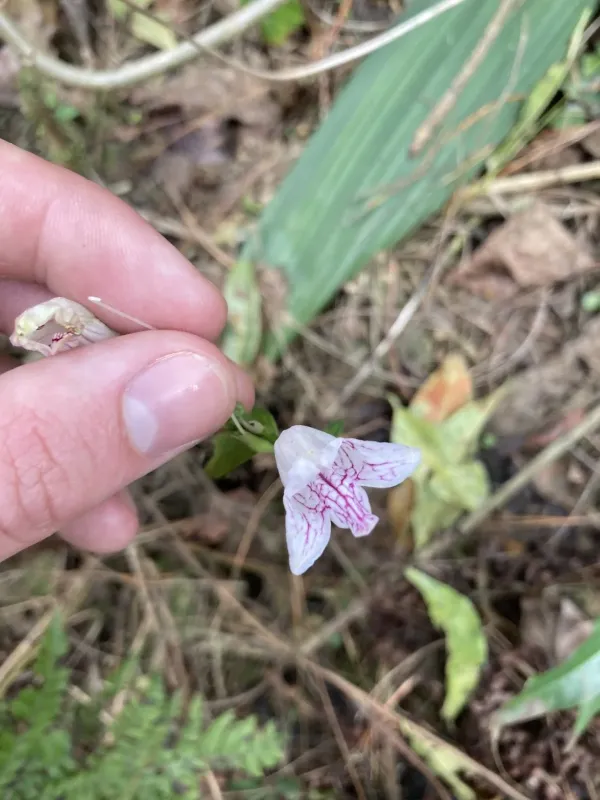
Description
Sowing dates
The sowing of Asystasia macrocarpa, a member of the Acanthaceae family, is typically performed in early spring under greenhouse conditions. Seeds require a consistent temperature of 22–25 degrees Celsius to germinate successfully.
A loose, well-draining substrate based on peat and perlite is optimal for the sowing process. Seeds should be sown on the surface and covered lightly with vermiculite to maintain humidity levels.
Germination usually takes between two to four weeks. During this time, it is critical to keep the substrate moist but not waterlogged to encourage strong root development in the young seedlings.
Once the seedlings develop two sets of true leaves, they should be transplanted into individual pots. This stage requires adequate ambient light to ensure the stems remain sturdy and do not become leggy.
When moving plants to their permanent locations, ensure that the frost-free season has fully arrived. This species thrives in stable environments, making it ideal for indoor or sheltered garden settings.
Growing requirements
Native to the humid tropical forests, Asystasia macrocarpa has a high demand for moisture in both the air and the soil. Consistent watering is required to maintain the vitality of its foliage and root system.
The soil must be fertile and well-draining, with a neutral to slightly acidic pH. Incorporating organic compost into the growing medium significantly enhances the plant's growth rate and overall health.
While the plant loves light, it requires protection from intense, direct midday sun, which can scorch the leaves. Diffused light or partial shade is the preferred exposure for maintaining deep green coloration.
Temperatures should be kept in a moderate range year-round. Exposure to temperatures below 12 degrees Celsius can lead to dormancy or cellular damage, making it unsuitable for harsh outdoor winters.
During the active growing season, applying a balanced liquid fertilizer is recommended every few weeks. This practice supports the plant's energy needs during its vigorous vegetative growth and flowering phases.
Yield
The primary use of Asystasia macrocarpa is ornamental, serving as a popular choice for indoor plant collections, conservatory displays, and tropical landscape design in frost-free regions.
The plant is highly valued for its aesthetic appeal, specifically its elegant leaf shape and continuous flowering habit. It acts as an excellent ground cover or container feature in warmer climates.
Yielding a high volume of foliage and flowers requires regular pruning. Pinching back the apical meristems encourages lateral branching, leading to a fuller, more compact, and floriferous specimen.
As a horticultural product, it is well-suited for greenhouse production due to its ease of propagation via stem cuttings. This reliability makes it a consistent performer for nurseries and flower growers.
Beyond its beauty, the plant contributes to indoor air quality, making it a functional choice for interior landscaping projects in offices and residential spaces.
Main diseases and pests
Common pests associated with this species include spider mites and whiteflies, which thrive in low-humidity environments. Monitoring the undersides of leaves is essential for early detection and mitigation.
Fungal issues, such as root rot, are frequent if the soil remains excessively wet. Ensuring that the pots have proper drainage and that the soil dries out slightly between waterings is the best prevention.
Leaf spot diseases may appear in environments with poor air circulation or stagnant humidity. Prompt removal of infected leaves and improved ventilation are critical for managing these issues effectively.
- Regular inspection for signs of pest infestation.
- Use of high-quality organic fungicides if needed.
- Maintaining optimal airflow to prevent moisture-related fungal growth.
Maintaining strict quarantine protocols for new plants helps prevent the introduction of viral or bacterial pathogens that could compromise the health of the entire collection.