
Asystasia buettneri
Asystasia buettneri
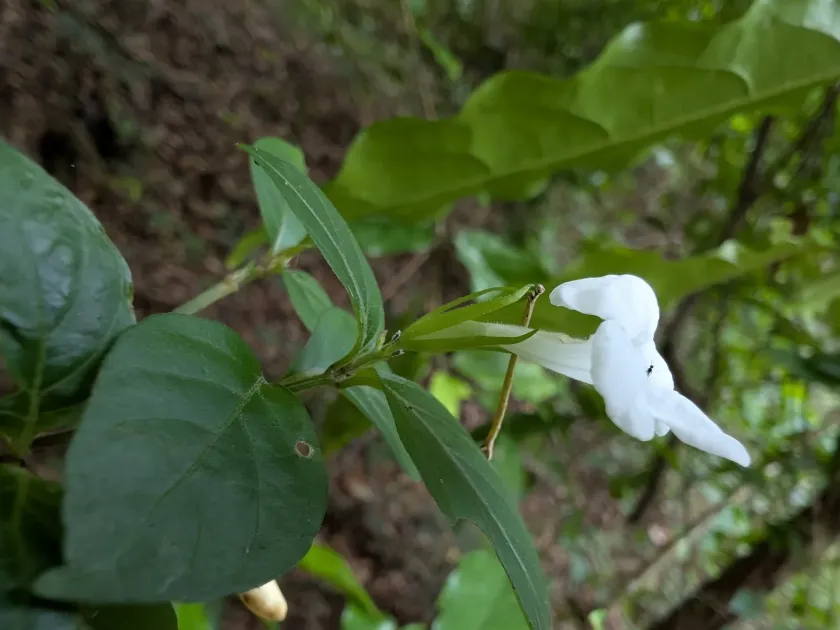
Description
Growing requirements
Asystasia buettneri is an ornamental species belonging to the Acanthaceae family. Originally from tropical Africa, it is valued for its specific biological traits and potential for greenhouse cultivation.
The climate requirements for this plant necessitate consistent warmth. It thrives in environments where temperatures range between 20°C and 28°C. In regions with colder climates, it must be grown in greenhouses.
Soil management is critical; the species prefers well-draining, nutrient-rich substrates. A mix consisting of peat, leaf mold, and horticultural sand is typically recommended for optimal root aeration.
The plant requires bright, indirect light to maintain its vigor. Exposure to direct sunlight for extended periods can cause leaf scorch, while deep shade leads to etiolation and weak stems.
Watering frequency should be adjusted based on the substrate moisture level. It is essential to ensure that the pot has drainage holes to prevent water accumulation, which is detrimental to its health.
Main diseases and pests
Common pests include spider mites and mealybugs, which are particularly problematic in indoor or greenhouse settings with low humidity levels. These pests sap the plant's vitality.
Root rot is the primary disease concern. It is frequently caused by over-irrigation and stagnant water in the root zone, often exacerbated by poor substrate drainage.
Integrated pest management strategies are recommended, utilizing biological or chemical controls depending on the scale of infestation and the stage of plant growth.
Regular sanitation of the growing area, including the removal of dead leaves, is essential to minimize the buildup of fungal spores and attractants for insect pests.
Maintaining proper air circulation around the canopy helps reduce the risk of fungal infections such as powdery mildew or various forms of leaf spotting.