
Artabotrys zeylanicus
Artabotrys zeylanicus
Description
Growing requirements
Artabotrys zeylanicus is a perennial woody climber belonging to the Annonaceae family. This species is native to the tropical regions of Sri Lanka and parts of India, where it typically thrives in dense, humid forest environments.
In terms of agricultural and horticultural production, this plant requires a highly controlled tropical climate. It is not cold-hardy and must be kept in glasshouses or specialized greenhouse facilities to ensure year-round development.
The ideal soil substrate should be rich in organic matter, providing a well-draining environment. A mix of peat, bark, and perlite is often used to replicate the nutrient-dense forest floor conditions necessary for healthy root formation.
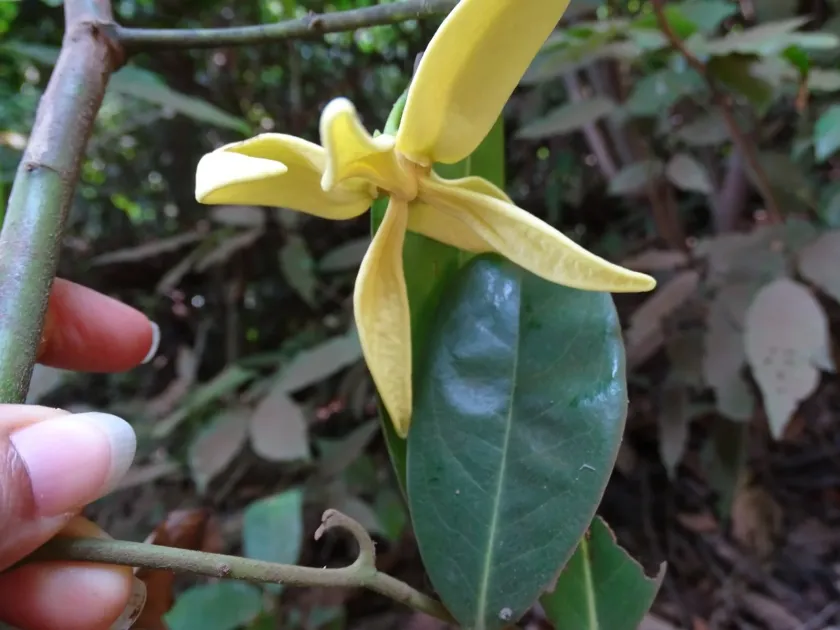
Botanically, the plant is characterized by its woody, climbing stems and coriaceous, evergreen leaves. The hook-like peduncles are a defining feature of the genus, which allow the plant to latch onto surrounding vegetation for structural support.
Economically, Artabotrys zeylanicus is primarily utilized in ornamental horticulture and for the extraction of aromatic essential oils. Its fragrant flowers make it a highly sought-after botanical specimen for specialized plant collections.
Main diseases and pests
Fungal infections remain the most significant threat to this species in cultivation. Poor drainage often leads to root rot, a condition that is difficult to reverse if detected in later stages of plant development.
Common greenhouse pests, specifically spider mites and scale insects, frequently target this vine. These pests flourish in stagnant air, making consistent ventilation a critical component of the integrated pest management plan.
To prevent disease outbreaks, growers must avoid overhead watering, which increases leaf surface moisture. Maintaining a dry foliage environment is essential to limiting the spread of opportunistic fungal pathogens.
Effective control involves the strategic use of insecticidal soaps or horticultural oils for small infestations. For large-scale production, more intensive systemic treatments may be required to maintain plant vigor.
Monitoring for signs of nutrient deficiency or pest stress is mandatory for successful cultivation. Regular sanitation protocols and the removal of dead plant material significantly lower the risk of pest colonization.