
Artabotrys hexapetalus
Artabotrys hexapetalus
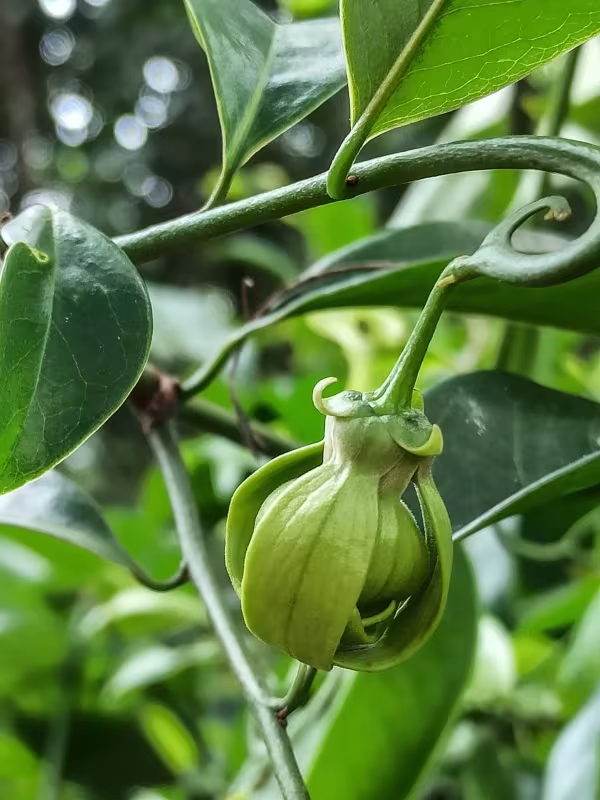
Description
Growing requirements
Artabotrys hexapetalus, commonly known as the tail grape or ylang-ylang vine, is an evergreen climbing shrub belonging to the Annonaceae family. It is native to tropical Asia and is widely cultivated for its highly fragrant flowers.
The plant thrives in warm, tropical climates and requires plenty of bright, indirect sunlight to bloom successfully. In colder regions, it must be grown in greenhouses or as a conservatory plant where temperatures remain consistently above 15°C.
The ideal growing medium is a rich, well-draining soil mix with a slightly acidic to neutral pH. Proper drainage is essential, as the plant is susceptible to root rot if left in waterlogged conditions for extended periods.
High humidity is crucial for the health of this vine. Regular misting, the use of pebble trays, or humidifiers are necessary when the plant is kept in indoor settings to prevent leaf drop and stress.
The plant features distinct hook-shaped peduncles, which it uses as a mechanism to climb over other plants in its natural habitat. In cultivation, these require sturdy supports such as trellises or wires for the vine to grow and flower properly.
Yield
The primary economic value of Artabotrys hexapetalus lies in its fragrant flowers, which are used for extracting essential oils. These oils are in high demand in the perfume and cosmetic industries due to their rich, fruity, and floral scent profile.
In landscaping, the vine is used for vertical screening and decorative purposes. Its rapid growth makes it an excellent choice for covering arbors, pergolas, and garden walls in warm climates, providing both aesthetic appeal and fragrance.
Propagation is most efficiently achieved through stem cuttings. Using rooting hormones and maintaining high humidity for the cuttings typically ensures high success rates in establishing new plants for agricultural production.
While the plant produces small, yellow-green aggregate fruits, they are not a significant commercial food crop. The focus of cultivation remains entirely on the aromatic floral production and ornamental landscaping services.
Regular pruning is vital for maintaining the vine's health and increasing its flower yield. By stimulating the growth of lateral branches, gardeners ensure a greater density of potential flowering sites throughout the growing season.
Main diseases and pests
Spider mites are a common pest for Artabotrys hexapetalus, especially in dry, indoor environments. They feed on the sap of the leaves, eventually causing yellowing and leaf loss if left untreated.
Mealybugs can also infest the plant, hiding in the leaf axils and along the stems. These pests can be manually removed or treated with horticultural oils and systemic insecticides if the infestation is severe.
Fungal diseases, such as root rot, often occur due to poor drainage or overwatering. Maintaining a proper irrigation schedule and ensuring the pot or soil bed has adequate airflow is the best way to prevent such issues.
Powdery mildew may appear on the foliage under high humidity and poor ventilation. Keeping the plant in an area with good air circulation is a primary preventive measure against fungal outbreaks.
- Spider mites (causing fine webbing and mottled leaves).
- Mealybugs (white cottony patches on stems).
- Root rot (darkening and softening of the root system).
- Powdery mildew (white fungal dust on leaves).