
Artabotrys gracilis
Artabotrys gracilis
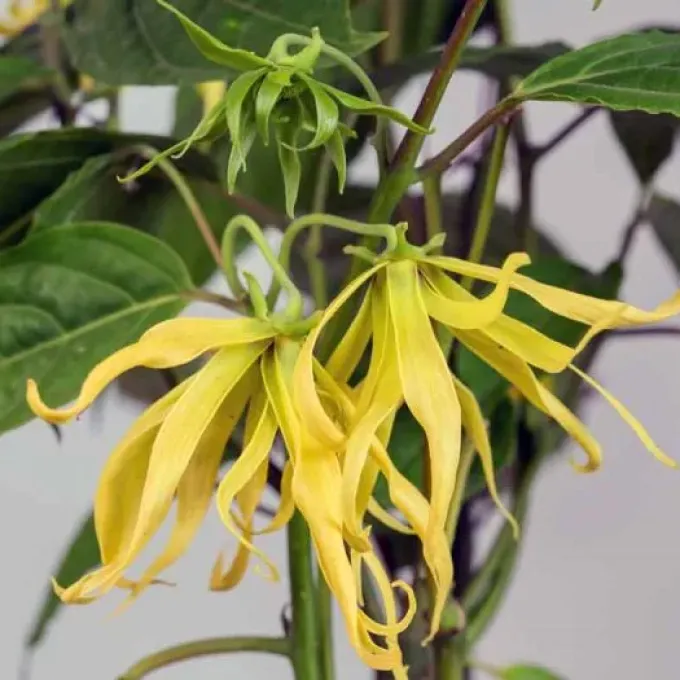
Description
Growing requirements
Artabotrys gracilis is a climbing shrub belonging to the Annonaceae family. Native to tropical zones, this plant is valued for its vigorous growth habit and distinctively fragrant, exotic flowers.
The plant thrives in bright, filtered light. While it appreciates warmth, it should be protected from intense, direct tropical sun, which can dehydrate the foliage and cause significant leaf damage.
A well-draining, nutrient-rich soil mix is essential for healthy development. A combination of loam, leaf mold, and sand creates the ideal medium that prevents waterlogging while maintaining necessary hydration.
Climatic requirements involve constant warmth and high ambient humidity. Temperatures should ideally range between +22°C and +28°C throughout the year, with a sharp decline below +15°C often resulting in physiological stress.
Regular irrigation is vital during the growing season. Water quality is important; using soft, room-temperature water helps avoid mineral accumulation in the soil, which could negatively affect the root system.
Main diseases and pests
Common indoor pests such as spider mites and scale insects are the primary threats to this species. They thrive in environments where air circulation is poor and humidity levels are inconsistent.
Fungal pathogens causing root rot are a significant risk, especially if the potting mix does not provide adequate drainage. This often leads to foliage yellowing and structural decay of the main stems.
Integrated pest management strategies should be employed, including the use of neem oil or horticultural soaps to address early-stage infestations without harming the plant's delicate tissues.
Proactive care involves monitoring for pests on the underside of leaves. Early detection is key, as the vine's dense structure can make deep-tissue treatment difficult once an infestation spreads.
Ensuring adequate space between plants in a greenhouse setting reduces the risk of cross-contamination and helps maintain the airflow necessary to deter mold and fungal spores.
Harvesting
The primary use of Artabotrys gracilis is ornamental landscaping within controlled environments like conservatories and large greenhouses. It is highly effective for creating vertical green walls and screens.
Flower harvest is not applicable in a traditional sense, but the aromatic compounds present in the blossoms make them of interest for botanical research and sensory garden designs.
Propagation is best achieved through semi-hardwood cuttings taken during the active growth phase. Using a rooting hormone and bottom heat significantly increases the success rate of propagation.
Maintenance pruning is essential to manage the size of this fast-growing vine. Cutting back long leaders encourages branching and dense foliage development, which is critical for long-term ornamental health.
Seed harvesting requires careful timing. The fruit should be collected only when fully ripe. Given the rapid decline in seed viability, immediate planting is recommended for successful germination results.