
Artabotrys crassifolius
Artabotrys crassifolius
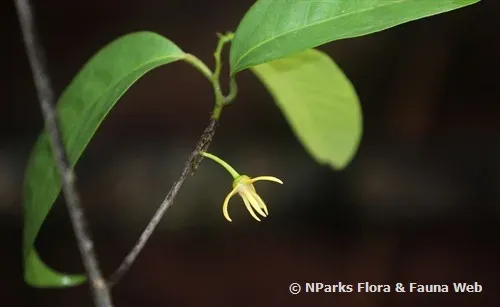
Description
Growing requirements
Artabotrys crassifolius is a vigorous evergreen climbing plant belonging to the Annonaceae family. Native to tropical regions, this species is well-adapted to high-humidity environments and warm climates.
The optimal climate for this crop involves stable tropical temperatures, usually remaining between 22 and 30 degrees Celsius throughout the year. Cold sensitivity is a critical factor, as frost can cause terminal damage.
Regarding soil requirements, the plant prefers well-drained, nutrient-rich substrates with a slightly acidic to neutral pH level. Organic matter enrichment is highly recommended for sustained vigor.
Light management is essential; while Artabotrys crassifolius can tolerate partial shade, it requires filtered bright light for successful photosynthesis and flower production in a controlled environment.
Agronomic practices include the installation of structural supports for the vine. Pruning is necessary to control the growth rate and to ensure that air circulation within the canopy is maintained to prevent fungal issues.
Main diseases and pests
Major threats to the crop include common greenhouse pests such as scale insects, spider mites, and aphids, which thrive in the warm and humid conditions required by the plant.
Fungal pathogens represent the most significant risk, particularly root rot caused by poor soil drainage. Maintaining a strict irrigation schedule is the primary defense against such infections.
Leaves are susceptible to powdery mildew if stagnant air conditions persist. Regular inspection of the undersides of leaves is recommended for early detection of potential infestations.
Invasive weed species can compete for nutrients; therefore, mulch layers are often employed around the root zone to suppress competing growth.
Integrated pest management (IPM) strategies, including the use of horticultural oils and biological controls, are preferred over synthetic pesticides to maintain the health of the ecosystem.