
Artabotrys monteiroae
Artabotrys monteiroae
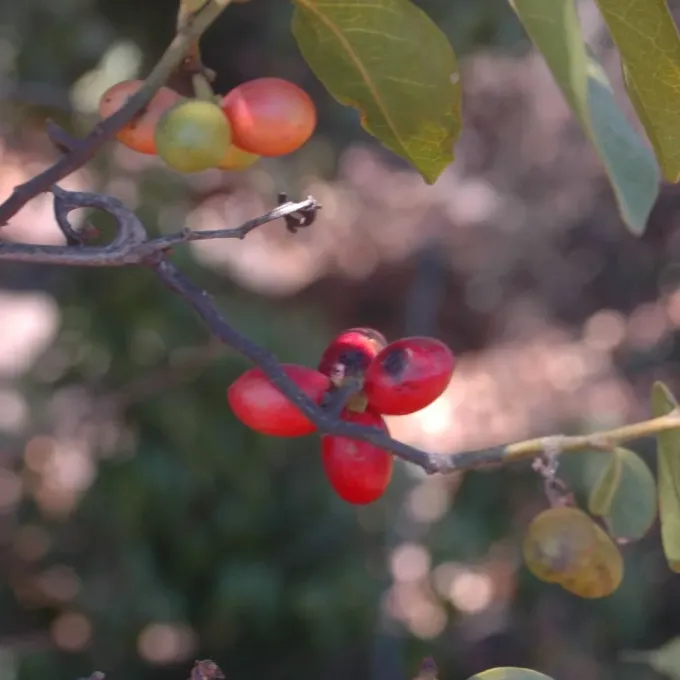
Description
Growing requirements
Artabotrys monteiroae is a woody liana species belonging to the Annonaceae family, native to specific tropical regions of Africa. It is well-known for its unique climbing mechanism, which involves modified, hook-shaped peduncles that allow the vine to anchor itself securely to trees or artificial support structures in its natural habitat.
Botanically, the plant is characterized by its glossy, dark green leaves and fragrant, specialized flowers that have evolved to attract specific pollinators within the dense forest canopy. The plant's growth habit is characterized by vigorous stem development, which necessitates significant space and structural support for optimal physical health.
Environmental requirements for this species are strictly tied to tropical climates, where constant warmth and high ambient humidity are the norms throughout the year. It does not tolerate frost, and even minor drops in temperature can cause significant physiological stress, potentially halting vegetative development and affecting bloom quality.
The preferred soil conditions for Artabotrys monteiroae involve a well-draining, nutrient-rich substrate, preferably with a high percentage of organic matter to mimic the forest floor composition. Proper drainage is essential to prevent root rot, as the plant requires consistent moisture without being waterlogged, which can lead to rapid decline of the root system.
The primary economic and horticultural use of this plant is in the sector of specialty botanical collections and tropical landscaping. Its attractive foliage and highly aromatic flowers make it a sought-after species for greenhouses and conservation-oriented gardens, where it contributes to the visual and olfactory complexity of the managed environment.