
Artabotrys siamensis
Artabotrys siamensis
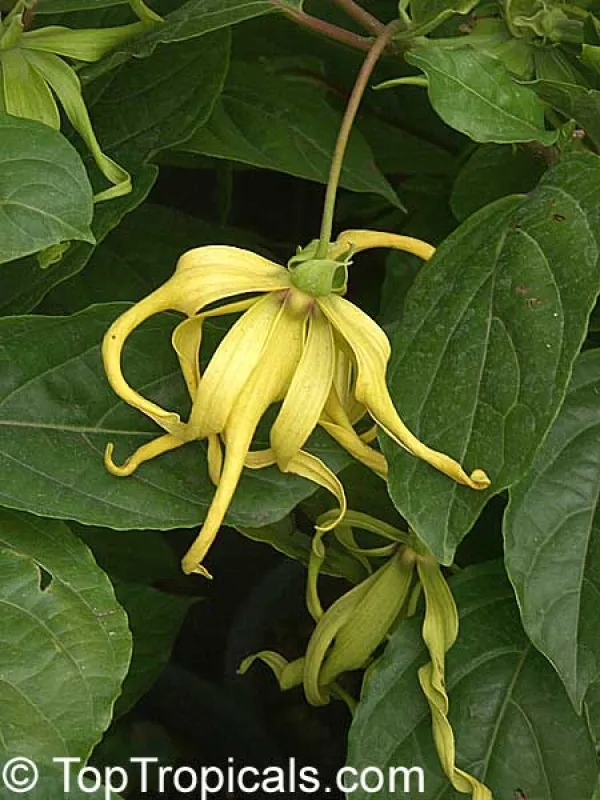
Description
Growing requirements
Artabotrys siamensis is a perennial tropical vine belonging to the Annonaceae family. Native to the tropical regions of Southeast Asia, it is highly valued for its fragrant flowers and robust climbing habit.
The plant features woody stems with unique, hook-like peduncles that allow it to climb and attach to supports efficiently. Its leaves are glossy, evergreen, and lanceolate, contributing to the ornamental appeal of the plant throughout the year.
Climatic requirements for this species include high humidity and consistent warm temperatures. As a tropical plant, it does not tolerate frost and thrives best in greenhouse environments or warm conservatory settings in cooler climates.
Soil management for Artabotrys siamensis requires a well-draining, nutrient-rich substrate. A mix of organic matter and coarse sand or perlite is generally recommended to prevent waterlogging and ensure healthy root development.
General horticultural care involves providing sturdy vertical support, regular pruning to maintain desired shape, and balanced fertilization during the primary growing season to support its vigorous vegetative growth.
Main diseases and pests
Common pests that affect Artabotrys siamensis include spider mites, mealybugs, and scale insects, which often thrive in indoor tropical setups.
Poor aeration and high humidity levels without proper air circulation can lead to outbreaks of powdery mildew or other fungal leaf spots.
Integrated pest management, including regular monitoring and the use of targeted systemic pesticides, is essential to maintain plant vigor.
Overwatering is a significant threat, as the plant is highly susceptible to root rot; therefore, the soil must be allowed to dry slightly between irrigation cycles.
To ensure disease resistance, gardeners should focus on maintaining optimal light conditions and providing adequate nutrients to prevent metabolic stress.