
Wilmott's Whitebeam
Aria wilmottiana
Description
Growing requirements
Wilmott's Whitebeam (Aria wilmottiana) is a distinct species of the Rosaceae family. It is a rare, slow-growing tree often found in limestone-rich habitats, making it a specialized choice for gardeners looking for unique ornamental flora.
The plant thrives best in alkaline or neutral soil conditions. It is highly adapted to calcareous substrates, which are essential for its long-term health and vibrant leaf development. Poor drainage must be avoided to ensure the roots remain oxygenated.
Regarding climate and site selection, this species requires full sun to partial shade. Exposure to direct sunlight promotes the development of its signature silvery foliage, which is a key aesthetic feature of the plant during the growing season.
Agrotechnical care focuses primarily on establishment. During the first two years, deep watering during dry spells is necessary. Once established, the tree is relatively hardy and requires minimal intervention, though mulching around the base helps retain moisture.
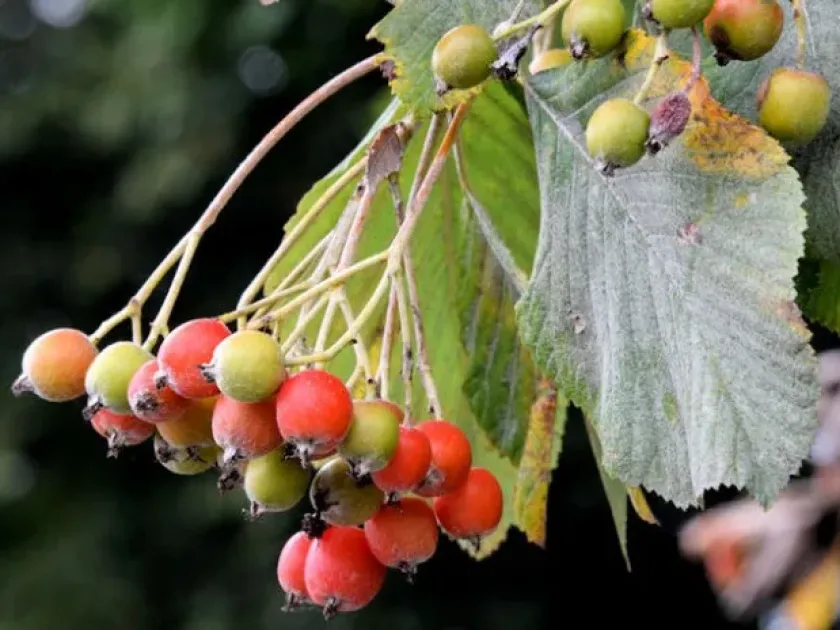
Botanically, it forms a small tree with distinctive white-felted undersides to the leaves. The flowering phase in spring attracts pollinators, followed by attractive berries that add significant ornamental value to the landscape in late summer and autumn.
Main diseases and pests
Fungal diseases such as powdery mildew are the most common issue for Aria wilmottiana. This typically occurs in environments with poor air circulation, necessitating thinning of the inner branches to improve airflow through the crown.
Fire blight represents a major threat to this species. It is a highly contagious bacterial disease that requires immediate removal of infected branches and strict sterilization of all pruning equipment to prevent its further spread.
Aphids and leaf-mining insects can be problematic during the spring growth flush. Integrated pest management, focusing on encouraging natural predators like ladybugs, is often sufficient for maintaining tree health without heavy chemical intervention.
Scale insects may also attach to the bark and stems. Regular inspection of the trunk and primary branches during the dormant season allows for the early detection and manual cleaning of these pests before they reach critical levels.
Environmental stress can increase susceptibility to pathogens. Ensuring the tree is not planted in overcrowded areas and providing balanced nutrition helps strengthen the tree's natural defense mechanisms against common pests.