
Eminent whitebeam
Aria eminens
Description
Growing requirements
Eminent whitebeam (Aria eminens) is a deciduous tree belonging to the Rosaceae family. This species is highly valued for its structural beauty, ornamental foliage, and resilience, making it a popular choice for both urban environments and private landscape projects.
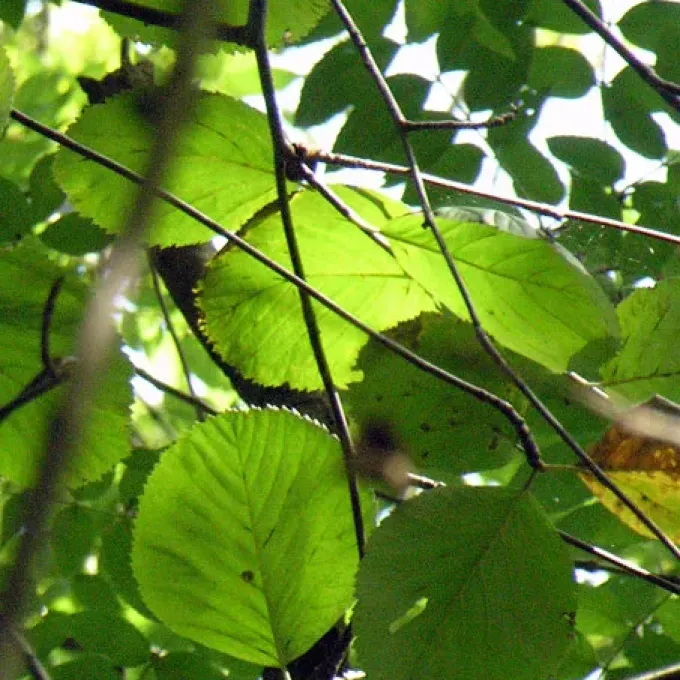
The tree exhibits distinct botanical characteristics, including leaves with a characteristic white-tomentose undersurface. This feature creates a shimmering effect in the sunlight, significantly enhancing the visual appeal of the canopy throughout the growing season.
Regarding soil requirements, Aria eminens prefers well-drained, fertile substrates with a near-neutral pH level. It is essential to avoid sites with waterlogged soils, as this can lead to root system decay and hinder the overall vigor of the plant.
The species is climate-hardy and performs well in temperate zones. While it prefers full sun exposure to maintain its dense crown shape, it can tolerate partial shade, provided that the light conditions are sufficient to stimulate healthy flowering and fruit production.
In terms of usage, the eminent whitebeam is primarily utilized for ornamental purposes. It serves as an excellent specimen tree or can be integrated into mixed hedges to provide structure and seasonal color, adding significant value to any garden landscape.
Main diseases and pests
Pest pressure on this species often includes aphids, which cluster on young shoots during the spring. Monitoring is essential to ensure that populations remain under control before they can cause significant leaf curling or structural damage to the branch tips.
Fungal diseases like fire blight or leaf spot can occur under adverse conditions. To mitigate these risks, it is recommended to maintain good hygiene in the garden, remove infected branches immediately, and ensure proper spacing to facilitate adequate air circulation.