
Aria porrigentiformis
Aria porrigentiformis
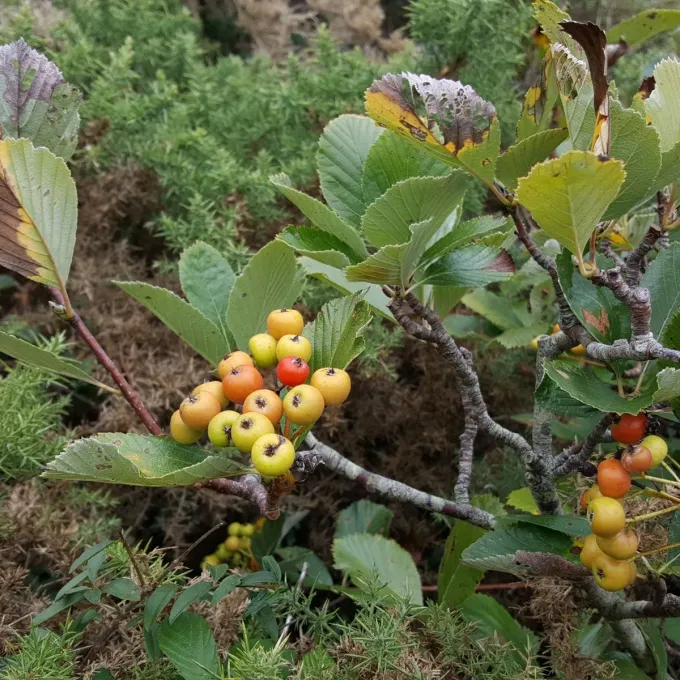
Description
Growing requirements
Aria porrigentiformis is a deciduous tree species belonging to the Rosaceae family. Often associated with the broader sorbus group, this tree is distinguished by its unique leaf morphology and growth pattern, which make it a valuable specimen for both ornamental and ecological restoration projects.
Native to specific regions of Western Europe, particularly the limestone habitats of the British Isles, the species has evolved to thrive in specialized soil conditions. In agricultural and horticultural contexts, it is noted for its hardiness and ability to adapt to varying climates across the temperate zone.
Success in cultivating this species depends heavily on soil selection. It prefers well-drained, nutrient-rich soils with a neutral or slightly alkaline pH. The plant is particularly sensitive to waterlogged environments, making soil structure and drainage management the highest priority for long-term survival.
Exposure requirements for Aria porrigentiformis are significant, as the species requires full sun to partial shade for optimal growth. Exposure to high-intensity light stimulates healthy leaf development and ensures robust branching, which is essential for the tree's overall structural integrity and aesthetic value.
Ongoing maintenance involves periodic fertilization and careful structural pruning. Pruning should be conducted during the dormant season to manage crown density and promote healthy growth cycles. Adequate mulch application is recommended to maintain stable soil temperatures and moisture retention throughout the growing season.
Main diseases and pests
The main pathological threats to Aria porrigentiformis include susceptibility to fungal infections, such as leaf blight and scab, which are exacerbated by high humidity levels. Implementing preventative measures, including proper spacing and canopy aeration, is vital to mitigate the spread of these pathogens within an orchard or plantation.
Common insect pests include various species of aphids and leaf-mining moths that can impact tree vigor. A proactive pest management strategy, including regular scouting and early intervention with eco-friendly pesticides, ensures that the trees maintain high levels of health and productivity over their lifecycle.