
Aria vexans
Aria vexans
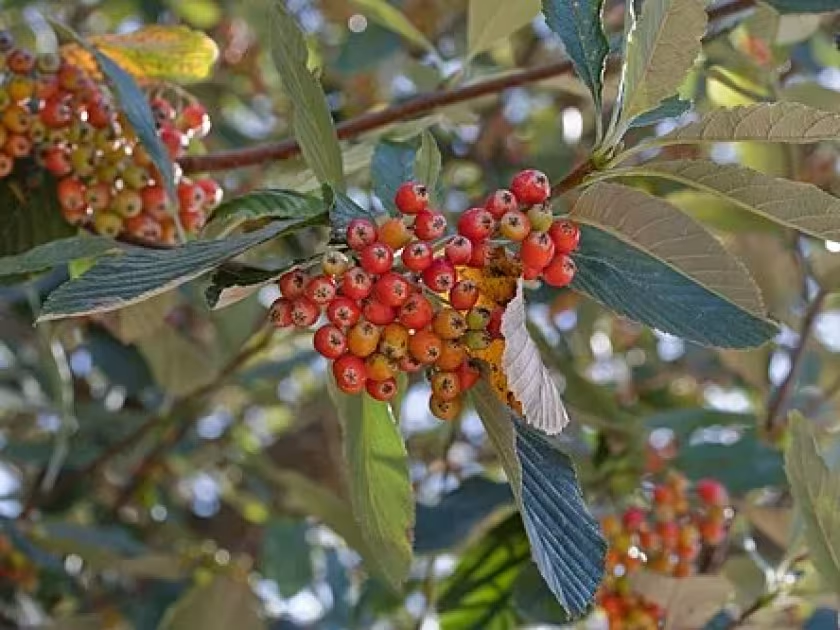
Description
Growing requirements
Aria vexans is a perennial woody plant species belonging to the Rosaceae family. Often classified within the Sorbus genus, it is a significant plant that demonstrates distinct botanical traits, characterized by its robust growth habit and ornamental as well as potential fruit-bearing value.
The crop thrives in temperate climates, showing a preference for regions with adequate sunlight and moderate rainfall. It is recognized for its high winter hardiness, which allows it to adapt successfully to various temperate geographic zones and withstand seasonal temperature fluctuations.
In terms of soil requirements, Aria vexans performs best in fertile, well-drained loamy or sandy soils with a neutral or slightly acidic pH level. It is sensitive to waterlogged conditions, which can negatively impact root development and overall vigor, necessitating proper site selection with good drainage.
Effective agrotechnical practices for this crop include consistent fertilization programs and proper weed management in the root zone. Regular pruning is essential to maintain a healthy crown structure, improve sunlight penetration, and ensure the long-term productivity of the tree.
Aria vexans is used in horticulture for both its aesthetic appeal in landscapes and its utility in breeding programs for related fruit-bearing species. The chemical composition of its fruits makes it a subject of interest for those exploring the development of specialized agricultural products and nutritional supplements.
Main diseases and pests
Aria vexans is susceptible to several fungal diseases common to the Rosaceae family, most notably powdery mildew and leaf spot. These pathogens can significantly compromise the aesthetic and physical health of the plant, especially in conditions of high atmospheric humidity and poor ventilation.
Common insect pests include aphids and leaf-eating larvae, which can cause considerable damage to young foliage and developing buds. Infestations need to be managed through vigilant scouting and, if necessary, the application of targeted insecticides to prevent widespread impact on tree health.
Implementing an integrated pest management (IPM) strategy is highly recommended for maintaining the vitality of Aria vexans. This includes the use of biological controls, pheromone traps, and timely interventions to keep pest populations below the economic injury level.
Sanitation practices, such as the removal of diseased wood and the disposal of fallen debris, play a crucial role in reducing the inoculum of fungal spores. A clean garden environment is the first line of defense against recurrent disease outbreaks in orchard or nursery settings.
Ultimately, a healthy Aria vexans tree is the result of proper site management and proactive care. By ensuring optimal growth conditions and monitoring for early signs of stress, growers can mitigate threats and maintain the productivity of these trees for many consecutive seasons.